

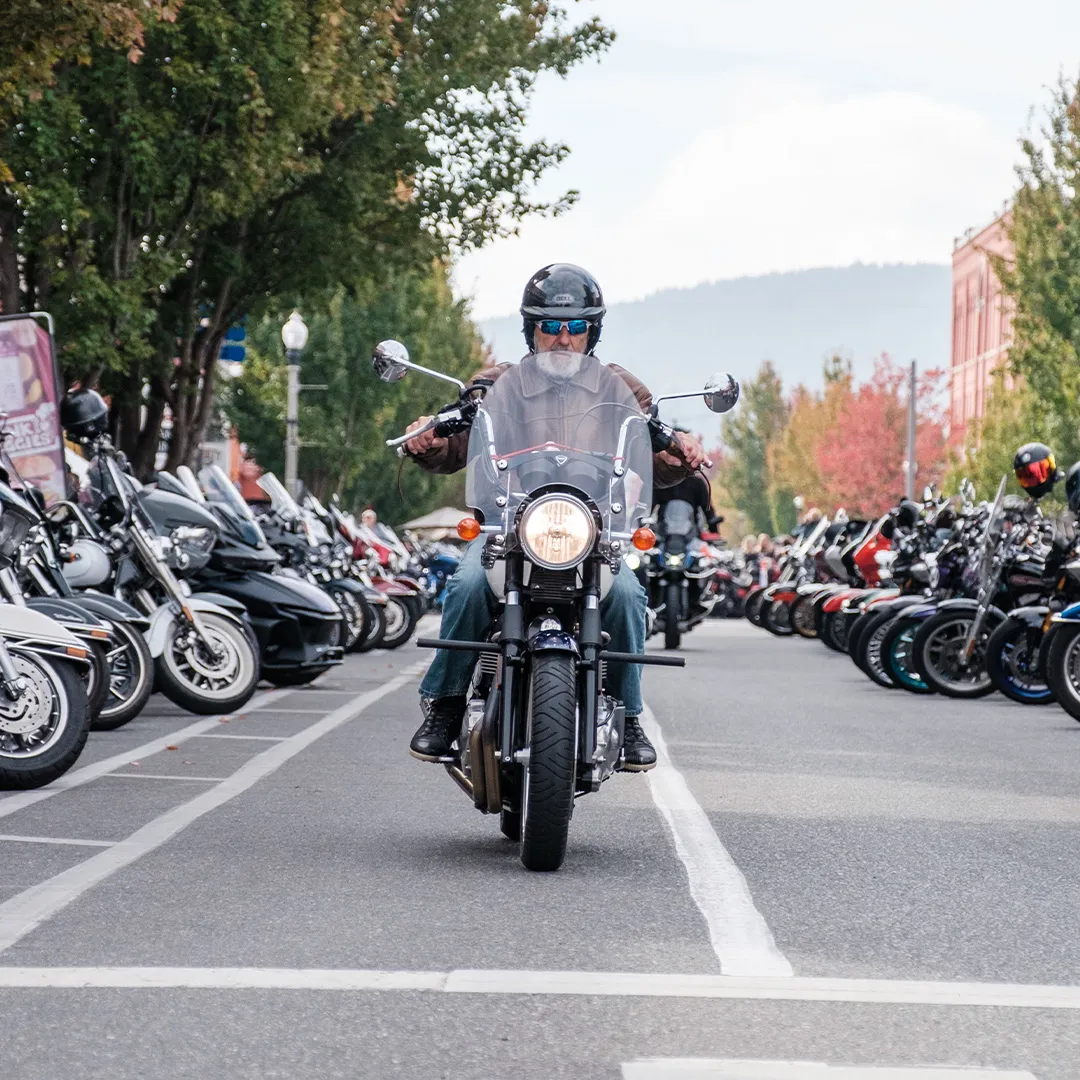

Wyoming Riders Heading to Colorado: Know the Rules Before Filtering.
If you're a Wyoming rider who enjoys the twists and turns of Colorado's mountain roads or finds yourself commuting across the border, there's a significant difference in motorcycle laws you need to understand, Colorado allows lane filtering, and Wyoming doesn't.
Since August 7, 2024, Colorado has permitted riders on two-wheeled motorcycles to filter past stopped vehicles under specific conditions. The law is set to expire on September 1, 2027 unless the legislature extends it. For Wyoming riders used to staying in their lane no matter what, this represents both an opportunity and a potential legal pitfall. Understanding exactly when and where you can filter in Colorado and what happens if you get it wrong could mean the difference between a safer ride and a costly citation, or worse, liability in a crash.
What Wyoming Riders Need to Understand About the Difference.
In Wyoming, lane filtering and lane splitting are both illegal. Whether traffic is stopped at a red light in Cheyenne or crawling along I-80 during a snowstorm, Wyoming law requires motorcyclists to maintain their lane position just like any other vehicle.
Colorado changed that, but only partially and with strict limitations.
Colorado now allows lane filtering, which means you can ride between lanes of completely stopped traffic under certain conditions. This is legal at stoplights, in traffic jams, or anytime vehicles around you have come to a complete stop. The law was designed to protect motorcyclists from rear-end collisions, which are one of the most common and dangerous threats riders face.
Lane splitting (riding between vehicles that are still moving) remains illegal in Colorado, just as it is in Wyoming. If traffic is crawling at 2 mph or flowing normally and you ride between lanes, you're breaking the law in both states.
The Specific Rules: When You Can Filter in Colorado.
If you're riding in Colorado and want to take advantage of lane filtering, you must follow these rules exactly:
You must be on a two-wheeled motorcycle. Trikes and autocycles aren't covered.
The vehicle you're passing must be completely stopped, and so must the traffic in the lanes next to it. Not slow. Not creeping forward. Fully stopped. If cars are still rolling, even slightly, you can't legally filter, and you have to stop filtering once traffic starts moving again.
You can't go faster than 15 mph while filtering. The lanes also have to be wide enough to pass safely, and conditions have to allow it. Even at 15 mph or less, you need to move slowly enough to react to sudden door openings, vehicles shifting position, or debris in your path.
You can't filter on the right shoulder or into oncoming lanes. Off limited-access highways, you also can't pass to the right of a vehicle in the far-right lane.
These rules are not suggestions. They're legal requirements, and Colorado law enforcement is watching for violations, especially as more riders learn about the new law.
Where Riders Get Into Trouble.
Based on cases we've seen in the first year since Colorado legalized lane filtering, here are the most common mistakes Wyoming riders make when crossing the border:
Riding the shoulder. When traffic backs up on I-25 or I-70, the shoulder can look like an easy way through. Colorado's filtering law doesn't allow it. You can only pass between stopped vehicles, at 15 mph or less, and never on the right shoulder.
Filtering through slow-moving traffic. If traffic is crawling at 5 or 10 mph, it's tempting to slide between lanes. But if vehicles are moving at all, you're lane splitting, not filtering, and that's illegal in Colorado just as it is back home in Wyoming.
Filtering too fast. Some riders treat filtering like a race to the front of the line. But if you're moving so quickly that you can't stop safely when a car door opens or a vehicle changes lanes unexpectedly, you're putting yourself at risk. Going over 15 mph while filtering also breaks the law.
Remember: just because you can filter in Colorado doesn't mean you should do it carelessly. The law exists to improve safety, not to create new risks.
What Happens If You Get Into a Crash While Filtering?
Even if you're filtering legally in Colorado, you could still face blame if a crash occurs. Many Colorado drivers don't fully understand the new law, and insurance companies often try to shift fault onto motorcyclists whenever possible.
Colorado uses a modified comparative negligence system, which means if you're found 50% or more at fault, you can't recover compensation. If you were filtering legally but an adjuster claims you were going too fast, riding the shoulder, or moving through traffic that wasn't fully stopped, you could lose your entire claim.
This is especially important for Wyoming riders who may not be as familiar with Colorado's specific filtering rules. If you're involved in a crash while filtering, you need a legal team that understands both the law and how to defend riders against aggressive insurance tactics.
Ride Smart Across State Lines
As a Wyoming rider, you're used to staying in your lane no matter what. That's still the rule at home, and it's the safest approach on most Colorado roads too. But when traffic comes to a complete stop and you keep it at 15 mph or less, Colorado law now gives you a legal tool to stay safer.
Use it wisely. Know the rules. Filter only when conditions are right. And always stay alert, because even when you're following the law, not every driver around you will understand what you're doing.
The law may be different in Colorado, but the risks are the same. Ride smart, ride legal, and when something goes wrong, make sure you have someone in your corner who knows how to fight for riders.
This content is for informational purposes only and does not constitute legal advice. Consult a qualified attorney regarding your individual situation for legal advice.
Related Blog Posts


Tell Us About Your Case – Free Case Review with a Personal Injury Lawyer
(866) 377-3800Our Locations

Do I have a Case?
How Much Should I Be Offered?
Do I Need an Attorney?
If these questions have crossed your mind, let us help. You may need a little direction or may not need an attorney at all, but you deserve to be confident knowing your options. We can provide you with information about our Attorneys of the West® accident investigations and legal services. Your confidential consultation with us is totally free.
Keep up with us!
