.svg)


TL;DR:
- Federal regulations allow dash cams and driver-facing cameras on commercial trucks when properly mounted (49 CFR § 393.60)
- Audio recording consent laws vary by state: Washington requires all-party consent, while Colorado, Wyoming, and Nebraska are one-party consent states
- Camera footage from systems like Lytx, SmartDrive, and Samsara can provide critical evidence in truck accident claims
- Victims and attorneys must act fast with spoliation letters to preserve camera footage before it's deleted or overwritten
- Courts generally admit dash cam footage as evidence if it's authentic, unaltered, and relevant to the case
After a serious truck crash, one of the first questions we hear is: "Was there a camera?" Good question. Modern commercial trucks are loaded with technology, and cameras have become standard equipment for many carriers. But the laws governing these cameras are more complicated than most people realize, especially when you're trying to use that footage to prove your injury claim.
Call Metier Law Firm at 866-377-3800 or schedule your free consultation today at www.metierlaw.com
.png)
"I've held a CDL and driven commercial vehicles myself. I know what it's like behind the wheel of an 80,000-pound truck. But I also know that camera footage doesn't lie. When we can get our hands on dash cam footage or driver-facing camera recordings, it often becomes the most powerful evidence in our client's case. That footage can prove fatigue, distraction, or dangerous driving that would otherwise be impossible to establish." — Mike Chaloupka, Managing Partner, and Truck Accident Lawyer with Metier Law Firm
Understanding semi truck dash cam laws can make the difference between a strong case and a weak one. These laws affect what footage exists, where it's stored, who can access it, and whether it's admissible in court. If you were hurt in a crash with a commercial truck, you need to know how camera laws work across Colorado, Washington, Oregon, Wyoming, and Nebraska.
Types of Cameras Used in Commercial Trucks
Commercial trucking companies use two main types of camera systems, and both can provide valuable evidence after a crash.
Road-Facing Cameras
(also called forward-facing dash cams) record what's happening in front of the truck. These cameras capture traffic conditions, weather, road hazards, and the movements of other vehicles. They show speed, following distance, lane position, and whether the truck driver reacted appropriately to changing conditions. Major camera systems like Lytx, SmartDrive, and Samsara offer road-facing cameras that continuously record in loops, saving footage when specific events trigger the system.
Driver-Facing Cameras
(also called in-cab cameras) point at the driver and record their behavior inside the cab. These cameras can show whether a truck driver was distracted, fatigued, using a cell phone, eating, or engaged in other unsafe activities. Fleet camera systems with driver-facing cameras often use artificial intelligence to detect drowsiness, eye movement, and distraction patterns. While these cameras are valuable safety tools, they also raise privacy concerns that trucking companies must address through clear policies and driver awareness programs.
Both types of cameras work with electronic logging devices and GPS tracking to create a complete picture of what happened before, during, and after a truck accident.
Call Metier Law Firm at 866-377-3800 or schedule your free consultation today at www.metierlaw.com
Federal Rules on Truck Cameras
The Federal Motor Carrier Safety Administration doesn't mandate that commercial trucks install cameras, but it does regulate where those cameras can be mounted when companies choose to use them. Under 49 CFR § 393.60(e)(1)(ii), vehicle safety technology like dash cams can be placed on the interior of a windshield as long as the device is mounted not more than 216 millimeters (8.5 inches) below the upper edge of the area swept by the windshield wipers, not more than 175 millimeters (7 inches) above the lower edge of the area swept by the windshield wipers, and outside the driver's sight lines to the road and highway signs.
The FMCSA updated these mounting rules in 2022 to give trucking companies more flexibility. Before that change, cameras could only be mounted within 4 inches of the top of the windshield. The expanded placement area recognized that modern safety tech like collision mitigation systems and lane departure warnings need better positioning to work properly.
Federal regulations also define what counts as "vehicle safety technology" under 49 CFR § 393.5. This includes systems and equipment that use cameras, lidar, radar, sensors, or video to promote driver, occupant, and roadway safety. Video event recorders, forward collision warning systems, and driver monitoring cameras all fall under this definition.
While the FMCSA encourages the use of safety technology, the agency removed mandatory inward-facing camera requirements from its Safe Driver Apprenticeship Program in 2024. This change came after pushback from the trucking industry and driver advocacy groups who argued that mandatory driver-facing cameras created privacy concerns and deterred participation in the program.
Federal rules set the baseline, but state laws add another layer of complexity, especially when it comes to audio recording.
State Laws and Privacy Considerations
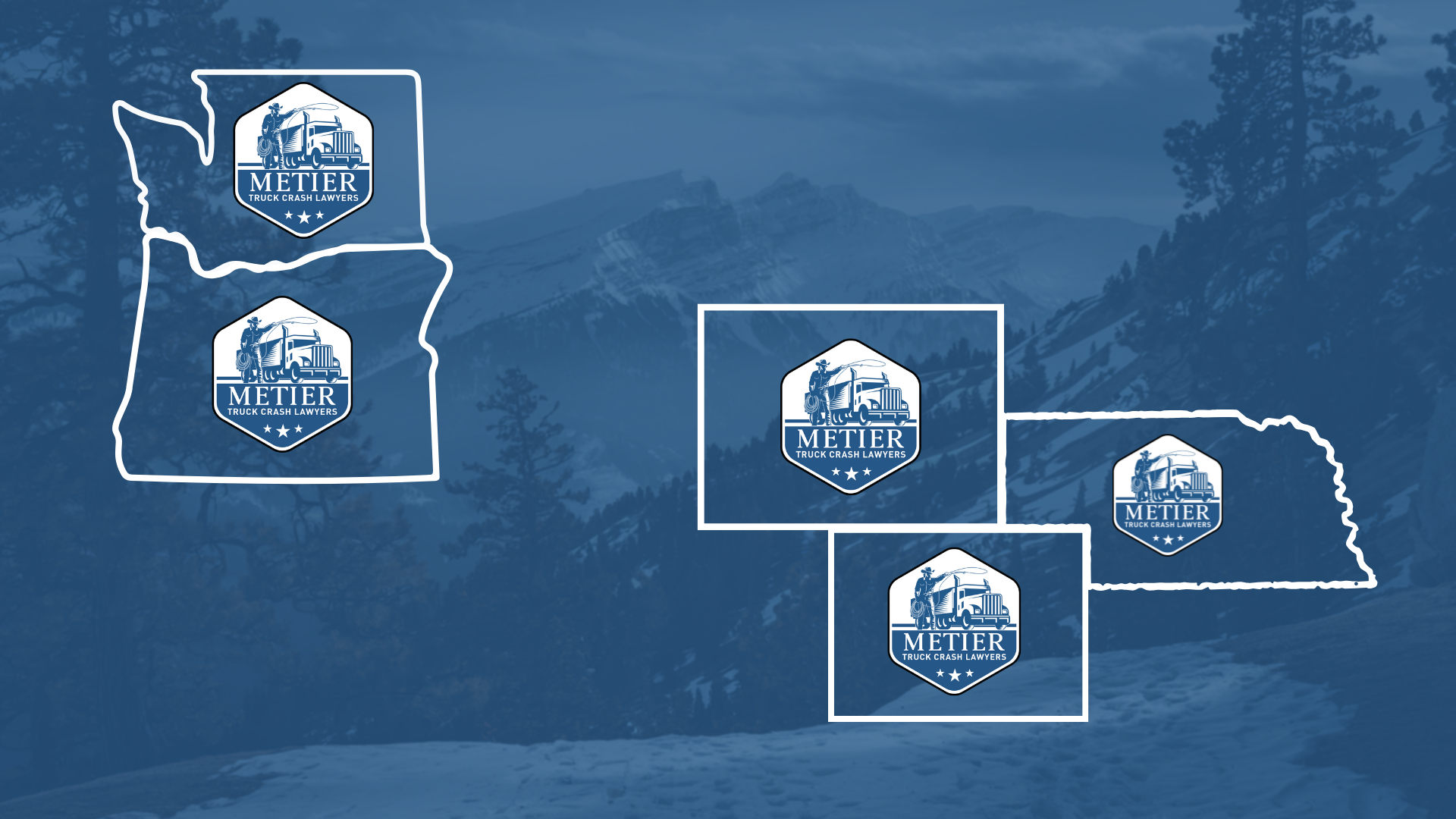
Recording video on public roads is generally legal everywhere, but audio recording is where state laws differ significantly. These differences matter because many commercial vehicle recording systems capture both video and audio.
Colorado
Colorado follows one-party consent rules under Colo. Rev. Stat. § 18-9-303. This means trucking companies can record audio inside the cab as long as one party to the conversation consents. Since the truck belongs to the company, they can generally record drivers without needing the driver's explicit permission for each conversation. However, best practice is for companies to notify drivers in writing that audio may be recorded.
Washington
Washington is a two-party consent state under Wash. Rev. Code § 9.73.030. All parties to a conversation must consent before audio can be legally recorded. This creates complications for trucking companies operating in Washington because driver-facing cameras with audio capabilities could violate state law if drivers haven't explicitly agreed to audio recording. Many companies disable audio features in two-party consent states to avoid legal problems.
Oregon
Oregon has a split system. Under Or. Rev. Stat. § 165.540, the state uses one-party consent for electronic communications like phone calls but requires all-party consent for in-person conversations. This means a dash cam recording audio of an in-person conversation between a truck driver and a dispatcher at a loading dock would require all parties to consent.
Wyoming
Wyoming is a one-party consent state under Wyo. Stat. § 7-3-702. Like Colorado, trucking companies have more flexibility to record audio with only one party's knowledge.
Nebraska
Also follows one-party consent rules under Neb. Rev. Stat. § 86-290. One party must consent to audio recording, which allows trucking companies to record conversations in the cab without needing everyone's explicit permission.
For a truck crash attorney handling cases across multiple states, these consent laws matter because improperly recorded audio might not be admissible as evidence. However, video-only footage generally faces no such restrictions since people have no reasonable expectation of privacy when driving on public roads.
Privacy laws also require trucking companies to have clear policies about how long camera footage is stored, who can access it, and when it might be reviewed. Companies using fleet camera systems like Lytx or Samsara typically retain footage only for specific events like hard braking, collisions, or rolling stops. Regular driving is recorded in loops and gets overwritten, which is why preservation letters are so critical after a truck accident lawyer gets involved.
If you or a loved one was injured in a crash with a commercial truck, call us at 866-377-3800 or schedule a free consultation at www.metierlaw.com.
Call Metier Law Firm at 866-377-3800 or schedule your free consultation today at www.metierlaw.com
How Truck Camera Footage Affects Accident Claims
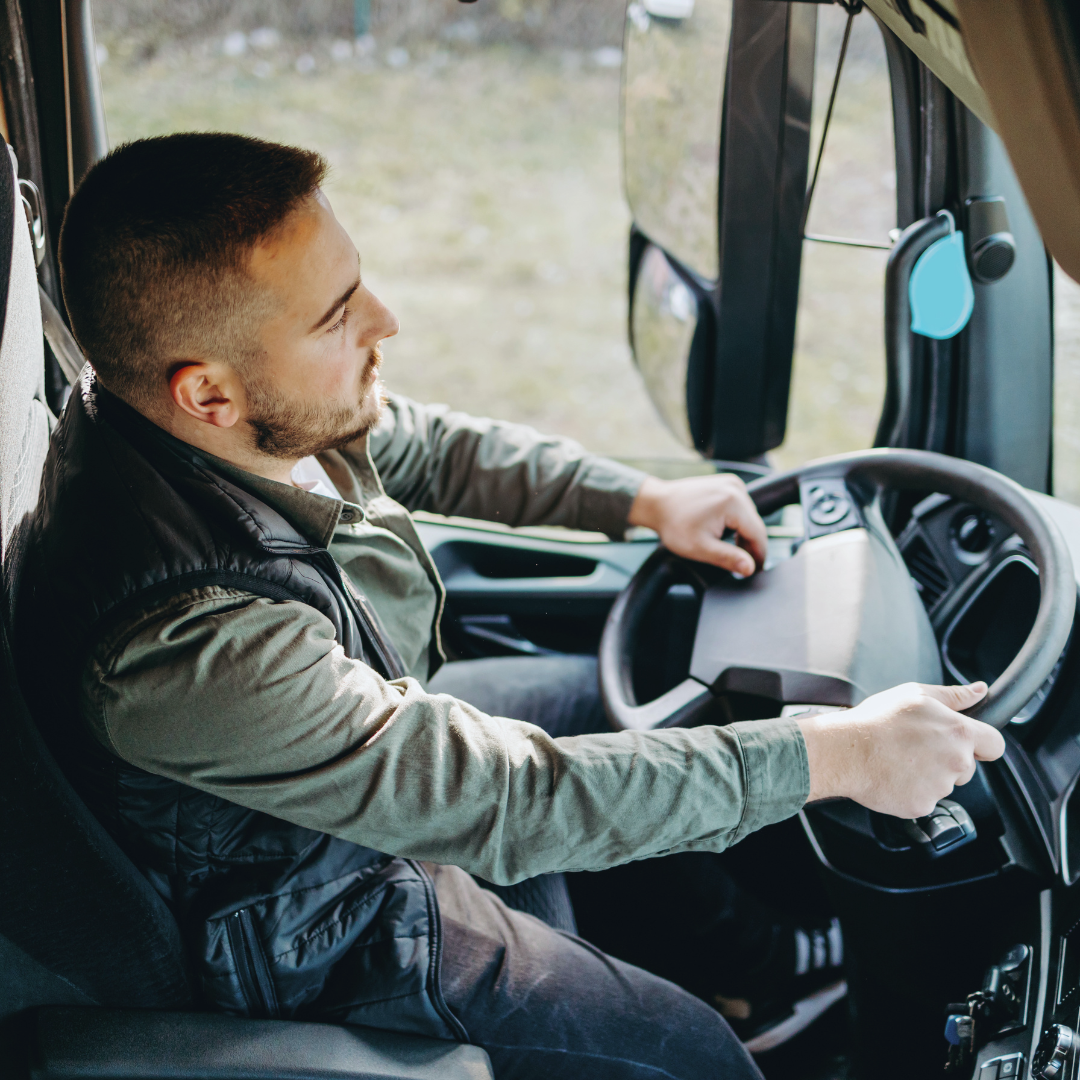
Dash cam footage and driver-facing camera recordings have become game-changers in commercial truck crash injury cases. This footage can prove what actually happened when witness accounts conflict or when the truck driver's version of events doesn't match the physical evidence.
Evidentiary Value in Injury Claims
Courts across the United States generally admit dash cam video as evidence as long as it's authentic, relevant, and hasn't been tampered with. For a truck accident attorney, camera footage can establish critical facts like the truck's speed before impact, whether the driver was following too closely, if the driver failed to brake in time, whether the truck drifted out of its lane, and what the driver was doing in the moments before the crash.
Driver-facing cameras can be even more powerful. This footage can show a commercial driver looking down at a phone, nodding off from fatigue, eating a meal while driving, or failing to check mirrors before changing lanes. When combined with electronic logging device data showing hours-of-service violations, driver-facing camera footage can prove that a fatigued truck driver caused the crash.
The FMCSA has reported that the average crash involving a commercial motor vehicle costs about $91,112 when injuries occur, but individual injury claims often exceed these averages significantly when serious injuries or permanent disabilities result. Camera footage helps establish liability quickly, which can lead to faster settlements and better outcomes for crash victims.
Requesting and Preserving Camera Footage
Here's the problem: camera footage doesn't stick around forever. Commercial vehicle recording systems typically save event-triggered footage for only 30 to 90 days before it gets overwritten or deleted. Some companies have even shorter retention periods. If you wait too long to request footage, it might already be gone.
This is where a truck crash lawyer's immediate action becomes essential. We send what's called a spoliation letter (also called an evidence preservation letter) to the trucking company and its insurance carrier right after learning about a crash. This legal document puts them on notice that litigation is anticipated and that they have a legal duty to preserve all evidence related to the accident.
A comprehensive spoliation letter demands preservation of dash cam and driver-facing camera footage, electronic logging device records showing hours of service, GPS tracking data showing the truck's route and speeds, engine control module data (the truck's "black box"), dispatch communications and text messages, driver qualification files and training records, and maintenance and inspection records.
Trucking companies that destroy evidence after receiving a spoliation letter face serious consequences. Courts can issue sanctions, instruct juries to assume the destroyed evidence would have hurt the company's case, or even dismiss the company's defenses entirely. This gives victims powerful leverage in settlement negotiations.
Once you've preserved the footage, your truck accident lawyer can formally request it through discovery or issue a subpoena if necessary. If the trucking company resists, a court can compel production of the footage. Most of the time, though, companies hand over footage when a properly drafted spoliation letter makes clear that you're represented by counsel and that failure to preserve evidence will have consequences.
Call Metier Law Firm at 866-377-3800 or schedule your free consultation today at www.metierlaw.com
Using Footage in Settlement Negotiations
Insurance companies for trucking companies take cases much more seriously when video evidence exists. Clear dash cam footage showing a truck driver running a red light, crossing the center line, or failing to yield removes most of the ambiguity that insurance adjusters use to deny or lowball claims.
We've seen cases where insurance companies initially denied liability based on their driver's statement, only to completely reverse course once they viewed their own company's camera footage. That footage can turn a disputed liability case into a straightforward negotiation about damages.
Video evidence also helps establish the severity of impact and the violence of the collision, which supports claims for pain and suffering beyond just medical bills and lost wages. When a jury or insurance adjuster can see the terrifying moments before impact from multiple camera angles, they better understand the trauma crash victims experienced.
Frequently Asked Questions
Can trucking companies refuse to install cameras?
Yes. Federal regulations don't require commercial trucks to have dash cams or driver-facing cameras. However, many large trucking companies voluntarily install camera systems because they reduce liability exposure, improve driver safety, and provide evidence that exonerates drivers in disputed crashes. Smaller carriers may not have the budget for fleet camera systems, which means some trucks on the road have no camera coverage at all.
What happens if a trucking company deletes camera footage after an accident?
If a trucking company destroys or deletes camera footage after receiving a spoliation letter or after litigation is reasonably anticipated, they can face serious legal consequences. Courts can impose sanctions, give jury instructions that the destroyed evidence would have supported the victim's claims, or exclude the company's defenses. A truck crash attorney will argue that spoliation creates a strong inference that the footage showed driver negligence.
Can I get camera footage from a truck that hit me even if I didn't hire a lawyer right away?
It's much harder. Trucking companies have no obligation to voluntarily hand over footage to crash victims, and they'll often claim it doesn't exist or has been overwritten if you wait too long. An experienced truck accident lawyer knows how to send proper spoliation letters, file subpoenas, and use discovery rules to compel production of footage. The sooner you hire a truck crash lawyer after your accident, the better your chances of preserving critical camera evidence.
Are there different rules for driver-facing cameras versus road-facing dash cams?
Federal mounting regulations under 49 CFR § 393.60 apply equally to both types of cameras. However, privacy laws vary by state and affect audio recording differently depending on whether the truck operates in a one-party or two-party consent state. Driver-facing cameras often raise more privacy concerns because they record truck drivers continuously during their shifts, which is why trucking companies must have clear policies and driver notification procedures.
How long do trucking companies typically keep dash cam recordings?
Most commercial fleet camera systems keep footage for 30 to 90 days before overwriting it, though retention periods vary by company and by camera system. Event-triggered footage (hard braking, collisions, rolling stops) might be saved longer than routine driving footage. This short retention window is exactly why immediate action with a spoliation letter is so important after a truck crash injury occurs.
Call Metier Law Firm at 866-377-3800 or schedule your free consultation today at www.metierlaw.com
Let Us Protect Your Rights After a Truck Crash
Camera laws, evidence preservation, and complex federal regulations make truck accident cases fundamentally different from regular car crash claims. You need a truck crash attorney who understands how to move fast, preserve footage before it disappears, and use that evidence to build the strongest possible case for your injuries.
At Metier Law Firm, we've spent years handling truck crash injury cases across Colorado, Washington, Oregon, Wyoming, and Nebraska. We know how trucking companies operate, we understand the technology they use, and we know how to get the evidence that proves your case. Our Managing Partner Mike Chaloupka holds a Commercial Driver's License and has personal experience behind the wheel of commercial vehicles, which gives us unique insight into how these crashes happen and how camera footage tells the real story.
Don't wait until critical evidence disappears. Call Metier Law Firm at 866-377-3800 or schedule your free consultation today at www.metierlaw.com. Speak with an experienced Denver truck accident lawyer serving Colorado Springs, Fort Collins, Seattle, Portland, and Cheyenne.
Disclaimer: Past results discussed should not be considered a guarantee of your results as the factors of every case are individually unique. This content is for informational purposes only and does not constitute legal advice. Consult a qualified attorney from Metier Law Firm regarding your individual situation for legal advice.
Tell Us About Your Case – Free Case Review with a Truck Accident Lawyer
Tell Us About Your Case – Free Case Review with a Personal Injury Lawyer
(866) 377-3800Our Locations
.webp)
Do I have a Case?
How Much Should I Be Offered?
Do I Need an Attorney?
If these questions have crossed your mind, let us help. You may need a little direction or may not need an attorney at all, but you deserve to be confident knowing your options. We can provide you with information about our Attorneys of the West® accident investigations and legal services. Your confidential consultation with us is totally free.
Keep up with us!
