.svg)


TL;DR:
- FMCSA Part 392 governs how truck drivers must operate on roads, covering speeding, distracted driving, following distance, and other critical safety rules
- Colorado recorded 4,715 truck crashes in 2024, resulting in 88 fatalities and over 1,100 injuries, with careless driving and lane violations leading all driver actions
- Violations of Part 392 create powerful evidence of negligence because they show the driver broke federal safety laws designed specifically to prevent crashes
- I-25 and I-70 account for nearly 1,400 truck crashes annually, with Denver and Adams counties seeing the highest incident rates
- Proving a truck driver violated Part 392 regulations can dramatically strengthen your injury claim and increase the compensation you deserve
Colorado's highways see thousands of commercial trucks every day, and when those drivers violate federal safety regulations, people get hurt. In 2024 alone, Colorado experienced 5,270 crashes involving medium and heavy trucks, killing 97 people and injuring 1,360 others. "These crashes don't happen by accident," says Phil Chupik, Partner at Metier Law Firm. "When we investigate truck crashes, we almost always find violations of Part 392, the federal regulation that governs how truck drivers must operate their vehicles. These violations are proof that the driver and their company failed to follow the most basic safety rules designed to protect everyone on the road."
What Is Part 392 and Why Does It Matter?
Part 392 of the Federal Motor Carrier Safety Regulations establishes the specific rules truck drivers must follow while operating commercial vehicles. Unlike general traffic laws that apply to all drivers, these regulations recognize that an 80,000-pound semi-truck creates unique dangers that require stricter standards. The Federal Motor Carrier Safety Administration enforces Part 392 because commercial vehicles demand a higher level of responsibility than passenger cars.
According to FMCSA data, driver-related factors cause 86% of fatal truck crashes nationwide. That percentage isn't surprising when you examine Colorado's 2024 crash data. Careless driving appeared in 1,220 truck crashes, lane violations in 890 crashes, and following too closely in 403 crashes. These aren't random mistakes. They're violations of specific Part 392 requirements that trucking companies train their drivers to follow.
The regulation applies everywhere trucks operate in Colorado, from I-25 through Denver to I-70's mountain corridors including Eisenhower Tunnel, Vail Pass, and Glenwood Canyon. When crashes happen on these highways, Part 392 violations often explain why.
The Most Common Truck Driver Violations Colorado Sees
Section 392.2: The Catch-All Operating Rule
Section 392.2 requires every commercial vehicle to operate according to the laws and regulations of the jurisdiction where it's being driven. If FMCSA imposes a higher standard than state or local law, the federal standard applies. This regulation captured 878,779 violations nationwide in 2024, making it the most frequently cited section of Part 392.
In Colorado, 392.2 violations include speeding (which contributed to 234 truck crashes involving excessive speed for conditions), improper lane changes (890 lane violation incidents), failure to obey traffic control devices (96 failures to stop at signals, 55 stop sign violations), and following too closely (403 incidents). Each violation carries between 5 and 10 CSA severity points depending on the specific infraction.
Section 392.80 and 392.82: Distracted Driving
Texting while driving a commercial vehicle violates Section 392.80. Using a handheld mobile phone violates Section 392.82. Both violations carry the maximum 10 CSA severity points because research shows commercial drivers who text are 23.2 times more likely to be involved in a safety-critical event than drivers who don't text.
Colorado's 2024 crash data recorded 167 instances of interior distraction and 150 instances of exterior distraction in truck crashes. At 55 mph, a driver who looks at their phone for just 4.6 seconds travels the length of a football field without watching the road. When that driver controls a commercial truck on I-25 through Denver or Adams County, where together more than 1,287 truck crashes occurred in 2024, the consequences can be catastrophic.
Section 392.16: Seat Belt Violations
This section requires commercial drivers to use seat belts while operating their vehicles. The violation carries 7 CSA points. While it might seem minor compared to speeding or distracted driving, seat belt use directly affects injury severity in crashes. When truck drivers don't buckle up, they're more likely to be ejected or suffer serious injuries that prevent them from controlling their vehicle during a collision.
Section 392.14: Operating Under Hazardous Conditions
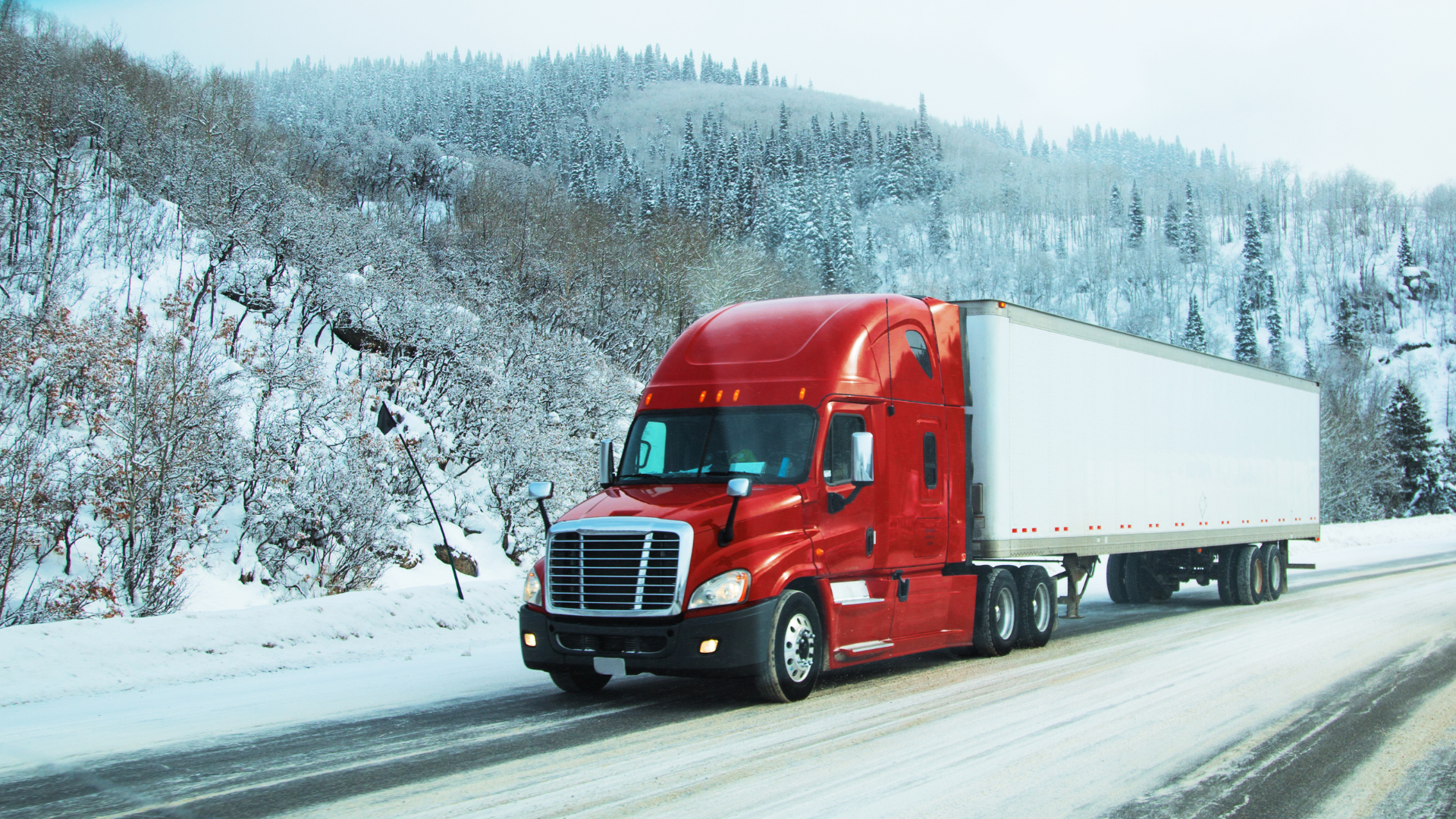
This regulation prohibits drivers from operating commercial vehicles when conditions are so hazardous that operation would likely result in a crash. Colorado's mountain highways present unique challenges, especially during winter months on I-70's high-altitude corridors. Drivers must recognize when snow, ice, wind, or reduced visibility make it unsafe to continue.
Colorado crash data shows road conditions played a role in hundreds of truck crashes. When drivers ignore hazardous conditions and keep driving to meet delivery schedules, they violate Section 392.14. That violation proves the driver prioritized deadlines over safety.
Section 392.6: Speed Limits and Scheduling
Motor carriers cannot schedule runs that require drivers to exceed posted speed limits. The company shares liability when drivers speed to meet unrealistic delivery deadlines. Colorado recorded speeding-related factors in hundreds of truck crashes, with violations ranging from 6-10 mph over (5 CSA points) to 15+ mph over (10 CSA points).
The regulation recognizes that speeding doesn't happen in a vacuum. When companies create impossible schedules, they force drivers to choose between their paycheck and public safety. That makes the company just as responsible as the driver.
If you or a loved one was injured in a crash with a commercial truck, call us at 866-377-3800 or schedule a free consultation at www.metierlaw.com.
Section 392.3: Fatigued or Ill Drivers
No driver may operate a commercial vehicle while impaired by fatigue or illness. Colorado's 2024 data recorded 155 crashes where the truck driver was asleep or fatigued. Only the driver can determine if they're too tired to drive safely, but companies often pressure drivers to continue despite exhaustion.
Fatigue impairs judgment and reaction time similar to alcohol. A driver awake for 18 hours performs as poorly as someone with a 0.08% blood alcohol content. When we investigate truck crashes, we examine hours of service logs, delivery schedules, and driver communications to determine if fatigue played a role and whether the company pressured the driver to keep going.
How Part 392 Violations Strengthen Your Injury Case
When a truck driver violates Part 392, that violation serves as powerful evidence of negligence. You don't need to prove the driver made a mistake. You prove they broke a federal safety regulation specifically designed to prevent the type of crash that injured you.
Courts recognize Part 392 violations as negligence per se in many cases. The driver had a legal duty to follow these regulations, they breached that duty by violating Part 392, their violation caused the crash, and you suffered injuries as a result. This legal framework makes it harder for trucking companies to deny responsibility.
We've seen trucking companies try to blame victims for crashes their own drivers caused through clear Part 392 violations. They have teams of lawyers and investigators working to minimize their liability. That's why you need an attorney who knows these regulations inside and out and knows how to prove violations occurred.
Common Questions About Truck Driver Violations in Colorado
How do you prove a truck driver violated Part 392?
We obtain the truck's electronic logging device data, dash cam footage, maintenance records, driver qualification files, and company safety records through legal discovery. We also examine the police crash report, witness statements, and physical evidence from the crash scene. Often, violations are documented in the initial crash investigation, but companies try to hide or minimize them later.
Can I still recover compensation if the truck driver wasn't cited at the scene?
Yes. Police officers responding to crashes aren't always trained in federal motor carrier regulations. They might not recognize Part 392 violations even when they're obvious to someone who understands trucking law. Our investigation often reveals violations the initial crash report missed. We work with trucking safety experts who analyze the evidence and identify every regulation the driver and company violated.
What's the difference between a traffic violation and a Part 392 violation?
Traffic violations are state or local laws that apply to all drivers. Part 392 violations are federal regulations specifically for commercial motor vehicles. A truck driver can violate both at the same time. For example, speeding violates Colorado traffic law and Section 392.2 of federal regulations. The federal violation matters more in your case because it shows the driver failed to meet the higher safety standards required for commercial vehicles.
How long do I have to file a claim after a truck crash in Colorado?
Colorado's statute of limitations gives you three years from the crash date to file a personal injury lawsuit from injuries that occurred in a vehicle crash. Wrongful death claims have a shorter time limit of two years. Evidence disappears quickly after truck crashes. Electronic logging device data gets overwritten, dash cam footage gets deleted, and witnesses' memories fade. Starting your case immediately protects your rights and preserves crucial evidence.
Do Part 392 violations affect how much compensation I can receive?
Yes. Violations demonstrate clear negligence, which strengthens your case and often leads to higher settlements. When we prove the driver and company violated federal safety regulations, insurance companies recognize they'll likely lose if the case goes to trial. That leverage helps us negotiate better settlements. If the violations show particularly reckless behavior, you might also recover punitive damages designed to punish the company and deter future violations.
Why You Need an Attorney Who Understands Part 392

Trucking companies know that most people don't understand federal motor carrier regulations. They count on victims accepting quick settlement offers before anyone investigates whether their driver violated Part 392. Those early offers rarely account for the full value of your claim.
We investigate every truck crash by examining the specific Part 392 requirements the driver should have followed. We identify violations the company hopes no one will discover. We work with experts who testify about industry standards and explain to juries why these violations matter. And we hold trucking companies accountable when they put profits before safety.
The data shows truck driver violations happen constantly on Colorado roads. Denver County alone recorded 651 truck crashes in 2024, while Adams County saw 636. I-25 and I-70 combined for nearly 1,400 crashes. Weld County recorded 432 truck crashes, El Paso County 408. These numbers represent real people who suffered serious injuries because truck drivers violated the most basic safety regulations.
Call Metier Law Firm at 866-377-3800 or schedule your free consultation today at www.metierlaw.com. Speak with an experienced Denver truck accident lawyer serving Colorado Springs, Fort Collins, Seattle, Portland, and Cheyenne.
Disclaimer: Past results discussed should not be considered a guarantee of your results as the factors of every case are individually unique. This content is for informational purposes only and does not constitute legal advice. Consult a qualified attorney from Metier Law Firm regarding your individual situation for legal advice.
Tell Us About Your Case – Free Case Review with a Colorado Truck Accident Lawyer
Tell Us About Your Case – Free Case Review with a Personal Injury Lawyer
(866) 377-3800Our Locations
.webp)
Do I have a Case?
How Much Should I Be Offered?
Do I Need an Attorney?
If these questions have crossed your mind, let us help. You may need a little direction or may not need an attorney at all, but you deserve to be confident knowing your options. We can provide you with information about our Attorneys of the West® accident investigations and legal services. Your confidential consultation with us is totally free.
Keep up with us!
