.svg)


TL;DR - Key Takeaways
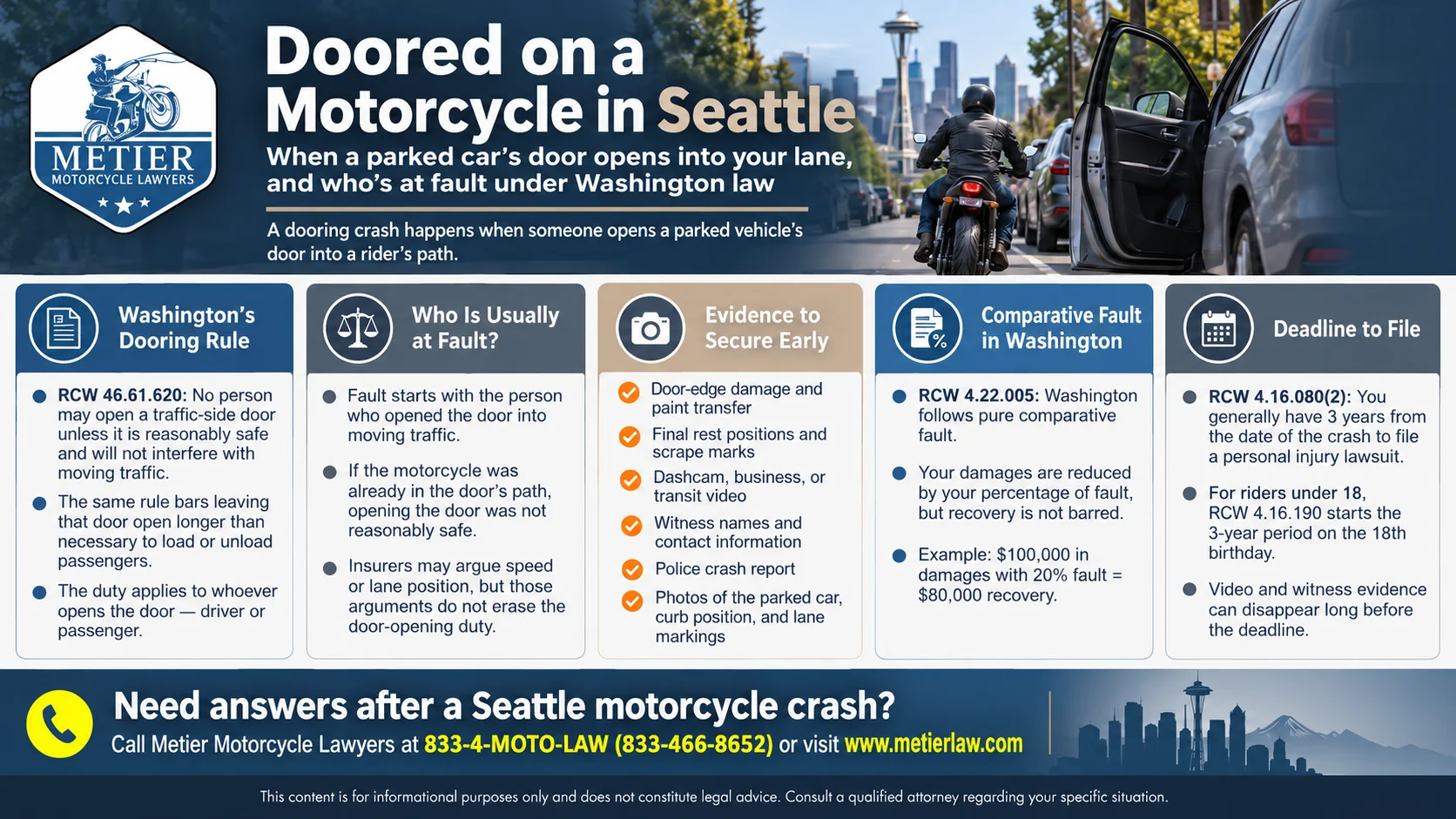
- A Seattle motorcycle dooring accident happens when someone opens a parked vehicle's door into a rider's path.
- Under RCW 46.61.620, no person may open a door on the side next to moving traffic until it's reasonably safe and won't interfere with the movement of other traffic.
- The same statute bars leaving a traffic-side door open longer than necessary to load or unload passengers.
- Washington's pure comparative fault rule in RCW 4.22.005 reduces your damages in proportion to any fault assigned to you, but it doesn't bar recovery.
- RCW 4.16.080(2) gives you three years to file a personal injury lawsuit. If you were under 18 at the time of the crash, RCW 4.16.190 starts that period on your 18th birthday.
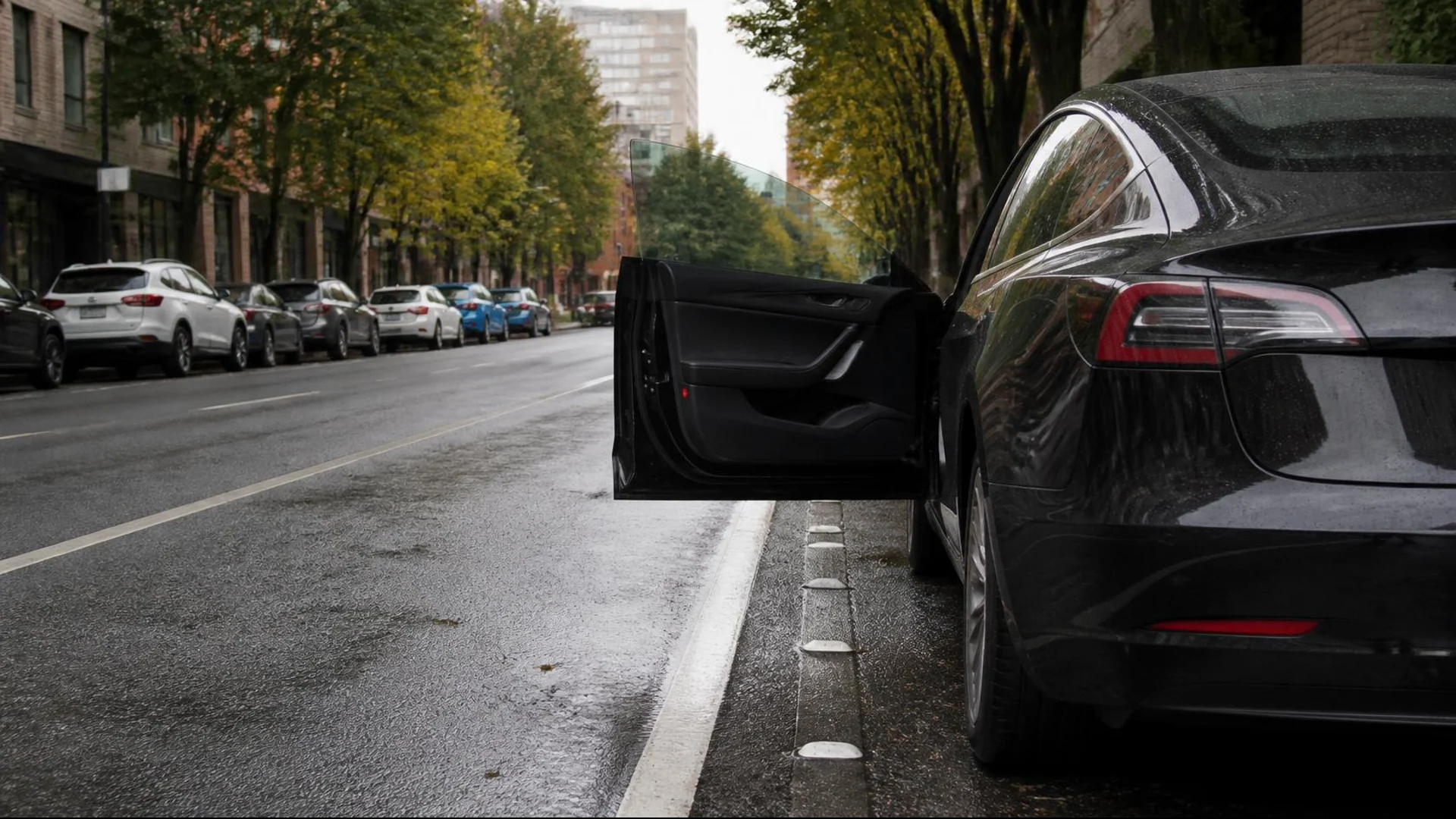
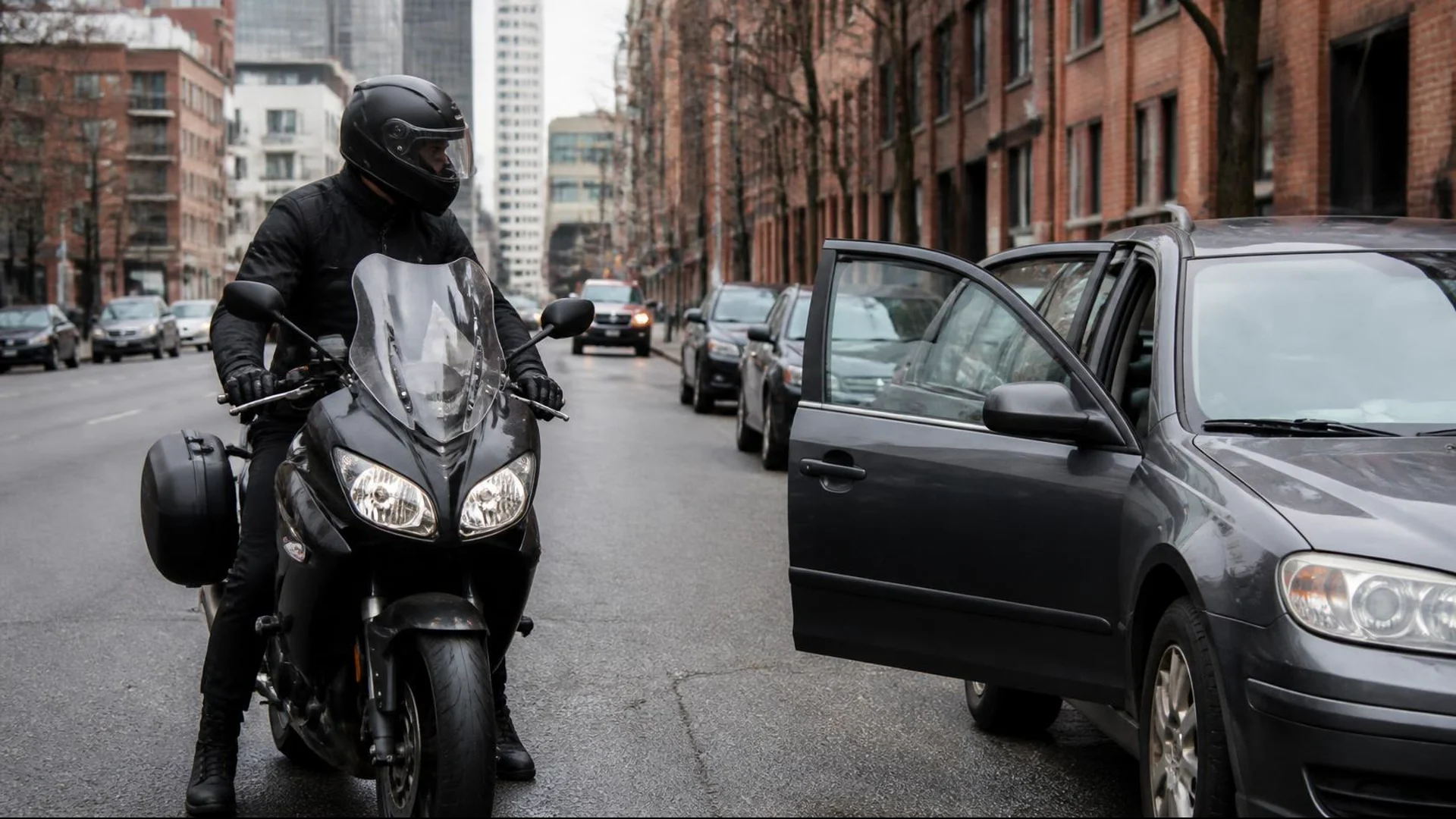
You're riding past parked cars in a Seattle curb lane when a door swings open into your line. There's no room to stop, and the impact throws you into traffic or onto the pavement. That's a dooring crash. The first legal question is who had to check the lane before the door moved.
In our Seattle motorcycle dooring accident cases at Metier Motorcycle Lawyers, the parked motorist's insurer often starts with the rider's speed or lane position. "Washington puts the look-before-you-open duty on the person opening the door," says Patrick DiBenedetto, Partner at Metier Law Firm and a rider himself. "When an adjuster jumps to the rider's lane choice, we go back to the statute. Was it reasonably safe to open that door into moving traffic? If a motorcycle was already in the door zone, the answer is no."
Washington's Dooring Rule Under RCW 46.61.620
When an opening car door causes a motorcycle crash in Washington, the controlling statute is RCW 46.61.620. That single sentence bars any person from opening the door of a motor vehicle "on the side adjacent to moving traffic unless and until it is reasonably safe to do so, and can be done without interfering with the movement of other traffic." It also bars leaving a door open on that side longer than necessary to load or unload passengers.
The duty applies to any person who opens the door, so a passenger faces the same rule as the driver. Washington defines "traffic" in RCW 46.04.590 to include vehicles using public highways for travel. Under RCW 46.04.197, a highway is any publicly maintained way open to vehicle travel. That brings a motorcycle traveling in a Seattle curb lane within Washington's dooring law. A door that a rider has to swerve around, or ends up hitting, has interfered with its movement.
What "Reasonably Safe" Means in a Seattle Curb Lane
RCW 46.61.620 doesn't define "reasonably safe," so the answer depends on the facts of each crash. We look at whether the person checked for approaching traffic before opening, how long the door stayed open, and where the motorcycle was when the door entered the lane. The statute applies wherever a door opens on the side next to moving traffic, with or without a marked bicycle lane.
Who Is at Fault in a Seattle Motorcycle Dooring Accident?
Fault starts with the door statute, and the evidence has to prove the breach. When a parked car's door hits a motorcycle, our Seattle motorcycle accident lawyer team moves quickly to secure:
- Door-edge damage and paint transfer on the motorcycle and the parked vehicle
- Final rest positions and roadway scrape marks
- Dashcam, business, or transit video along the block
- Witness names from riders, pedestrians, or other drivers who saw the door open
- The crash report from the Seattle Police Department or another investigating agency
- Photos of the parked car's position relative to the curb and any marked lane
Insurers still argue that the rider should have left more space or was traveling too fast for the block. Those arguments go to comparative fault. They don't erase the duty RCW 46.61.620 places on the person who opened the door.
If you've been hurt in a motorcycle crash and need answers, call us at 833-4-MOTO-LAW (833-466-8652) or schedule a free consultation at www.metierlaw.com.
How Pure Comparative Fault Affects a Dooring Claim
Under RCW 4.22.005, any contributory fault chargeable to you reduces your compensatory damages in proportion to that share. It doesn't bar recovery at any percentage. If you're found 20% at fault for speed or lane position on $100,000 in damages, you recover $80,000. Each additional point of fault takes another $1,000 off that award. That's why door-zone evidence has to be preserved early.
Our guide on Seattle motorcycle riders' rights explains how these fault arguments play out. If a driver turned left across your path instead, see our post on Seattle left-turn motorcycle accidents.
Washington's Three-Year Filing Deadline
Under RCW 4.16.080(2), a personal injury lawsuit must be filed within three years, and RCW 4.16.005 starts that period when the claim accrues. For an injury suffered in a dooring crash, that's the date of the crash. If the injured rider or passenger was under 18 at the time, RCW 4.16.190 doesn't count the time before the 18th birthday. The three-year period starts on that birthday. Businesses record over security video, and witnesses forget details, long before that deadline arrives.
Frequently Asked Questions
Who is at fault if I was doored on a motorcycle in Seattle?
In a Seattle motorcycle dooring accident, RCW 46.61.620 puts the duty on the person who opened the door on the traffic side. That person had to wait until opening it was reasonably safe and wouldn't interfere with the movement of other traffic. If your motorcycle was already in the door's path, that person breached the duty. Any share of fault assigned to you then reduces your damages in proportion under RCW 4.22.005.
What does Washington dooring law require for motorcycles?
In Washington, a motorcycle crash caused by an opening car door falls under the same door rule that applies to cars. The person opening the door must wait until it's reasonably safe and won't interfere with the movement of other traffic. That person also can't leave a traffic-side door open longer than necessary to load or unload passengers.
Can the insurer blame my lane position after a parked car hits my motorcycle in Seattle?
The insurer can raise lane position or speed, but those points go to comparative fault. They don't cancel the door-opening duty in RCW 46.61.620. Under RCW 4.22.005, any fault assigned to the rider reduces the recovery by that percentage and doesn't bar it.
How long do I have to file after a Seattle motorcycle dooring accident?
RCW 4.16.080(2) gives you three years from the date of the crash to file a personal injury lawsuit. For a rider or passenger who was under 18 at the time of the crash, RCW 4.16.190 starts that three-year period on the 18th birthday. Scene video and witness contact information should be secured in the first days after the crash.
Does a passenger who opened the door share fault?
Yes. RCW 46.61.620 applies to any person who opens the door, so a passenger who opens it into moving traffic violates the statute the same way a driver would. When more than one party's fault is at issue, RCW 4.22.070 requires the trier of fact to assign a percentage of the total fault to every entity that caused your damages. Your own fault, if any, is set in that same allocation.
When the Door Opened Into Your Lane
We ride, and we know how little room a curb lane leaves when a door swings out without warning. RCW 46.61.620 puts the duty on the person opening that door. Recovery after a Seattle motorcycle dooring accident turns on evidence secured early. Our Seattle motorcycle accident lawyer team at Metier Law Firm can review the door-zone facts before you give a recorded statement or accept an early offer.
Call Metier Motorcycle Lawyers at 833-4-MOTO-LAW (833-466-8652) or schedule your free consultation today at www.metierlaw.com.
Disclaimer: Past results discussed should not be considered a guarantee of your results as the factors of every case are individually unique. This content is for informational purposes only and does not constitute legal advice. Consult a qualified attorney from Metier Law Firm regarding your individual situation for legal advice.
Related Blog Posts
Tell Us About Your Case – Free Case Review with a Personal Injury Lawyer
(866) 377-3800Our Locations
.webp)
Do I have a Case?
How Much Should I Be Offered?
Do I Need an Attorney?
If these questions have crossed your mind, let us help. You may need a little direction or may not need an attorney at all, but you deserve to be confident knowing your options. We can provide you with information about our Attorneys of the West® accident investigations and legal services. Your confidential consultation with us is totally free.
Keep up with us!
