.svg)


TL;DR - Key Takeaways
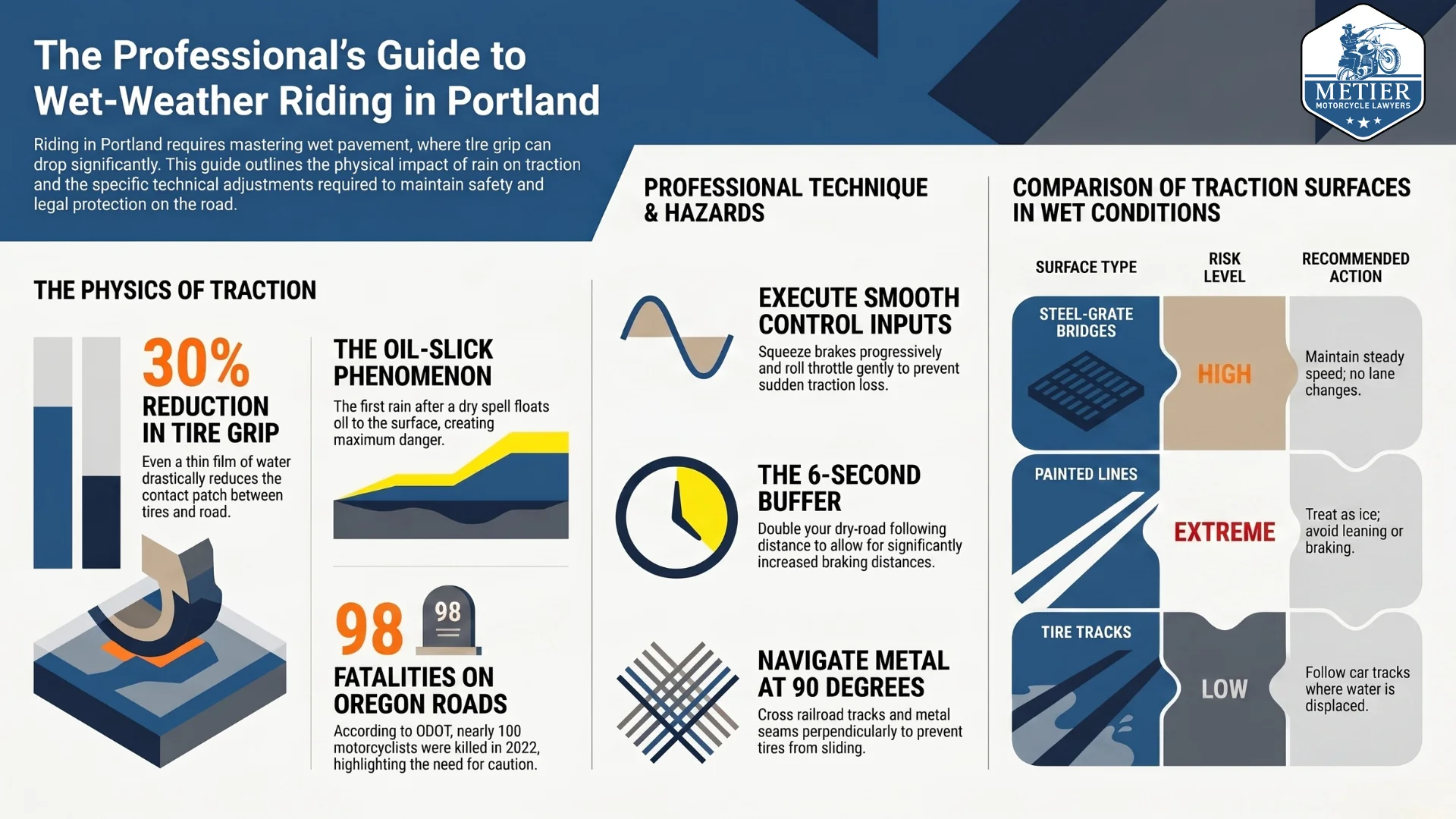
- Wet pavement can cut your tire's grip by 20 to 30 percent, and even more at highway speed, so slow down and leave more room.
- The first rain after a dry stretch is the most dangerous, because oil rises to the surface. The Motorcycle Safety Foundation says to wait it out.
- Smooth inputs win. Squeeze the brakes, roll on the throttle gently, and stretch your following distance to 5 or 6 seconds.
- Stay off painted lines, manhole covers, and the steel-grate bridge decks, and cross any metal seam at a 90-degree angle.
- Good motorcycle rain gear and a clear visor keep you warm, dry, and focused, which keeps you safer.
If you ride the Portland metro, you already know the deal. Some mornings the run up I-5 starts dry, and by the time you hit the Terwilliger curves it's a sheet of water. Rain is part of life as a motorcycle rider here, and wet pavement is where a lot of riders get hurt. According to the Oregon Department of Transportation, 98 motorcyclists were killed on Oregon roads in 2022.
Riding a motorcycle in the rain in Portland isn't something you avoid for half the year. You learn to do it well. Patrick DiBenedetto, Partner at Metier Law Firm and a longtime rider, puts it plainly. "I've ridden through enough Portland weather to know the rain itself rarely causes the crash," he says. "It's the driver who doesn't slow down, doesn't see you, and then tells the insurance company the weather was your fault. We've watched that play out too many times."
Call Metier Law Firm at 833-4MOTO-LAW (833-466-8652) or schedule your free consultation today at www.metierlaw.com
What Wet Pavement Does to Your Grip
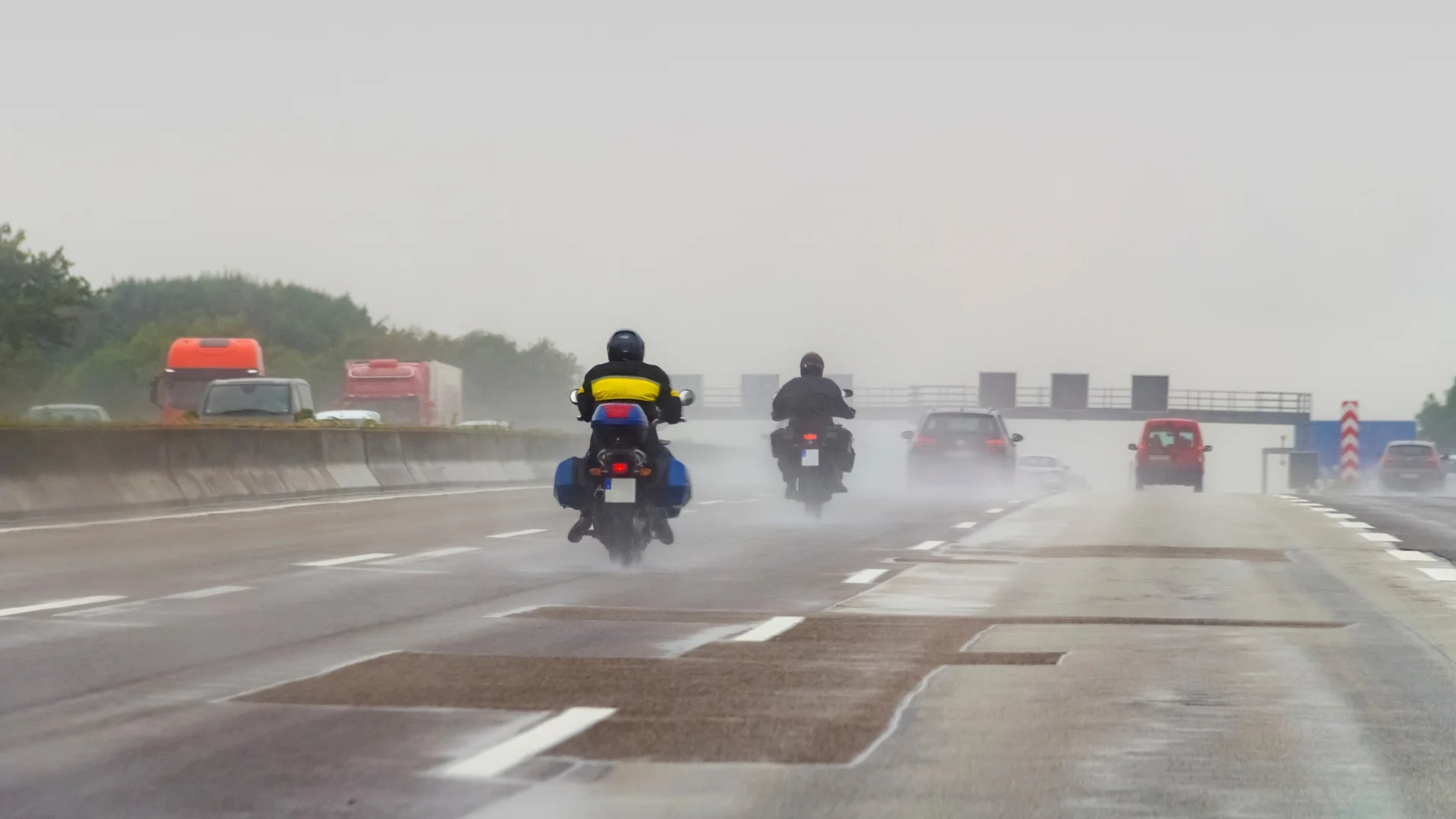
Water doesn't need to be deep to be a problem. The Federal Highway Administration found that a film as thin as two-thousandths of an inch can cut tire grip by 20 to 30 percent compared to dry pavement, and it gets worse the faster you go. On a car with four tires and a roof, that's a slick commute. On a motorcycle with two contact patches the size of your palm, it's the difference between stopping in time and not.
That doesn't mean your bike turns dangerous the second it rains, because modern sport-touring tires still grip well on wet roads if you ride conservatively. Trust them, but give them less to do.
The First Rain After a Dry Spell Is the Worst
We get longer dry spells in the summer here, then the rain returns, and that first wet day is the one to respect. Oil and grime soak into the pavement over weeks of dry weather, then float to the surface when the rain starts, leaving the road like an oil slick. The Motorcycle Safety Foundation recommends pulling over when rain first starts and letting traffic and more rain rinse the road before you ride on. A coffee stop is cheaper than a claim.
Call Metier Law Firm at 833-4MOTO-LAW (833-466-8652) or schedule your free consultation today at www.metierlaw.com
How to Ride a Motorcycle in the Rain in Portland
Be Smooth With Every Control
Abrupt is the enemy, because hard braking and sudden throttle break traction fast on wet roads. Squeeze the brakes progressively, roll the throttle on gently, and keep your steering gradual so the bike stays settled. If your motorcycle has a rain ride mode, use it, since it softens throttle response and tightens traction control for exactly these conditions.
Look Far Ahead and Give Yourself Room
Stopping distance grows on wet pavement, so you need more time to react. Scan well down the road instead of staring at the bumper ahead. Stretch your following distance to 5 or 6 seconds, roughly double your dry-road gap. That cushion lets you brake smoothly instead of in a panic, which matters when your braking distance is already longer.
Ride the Dry Lines
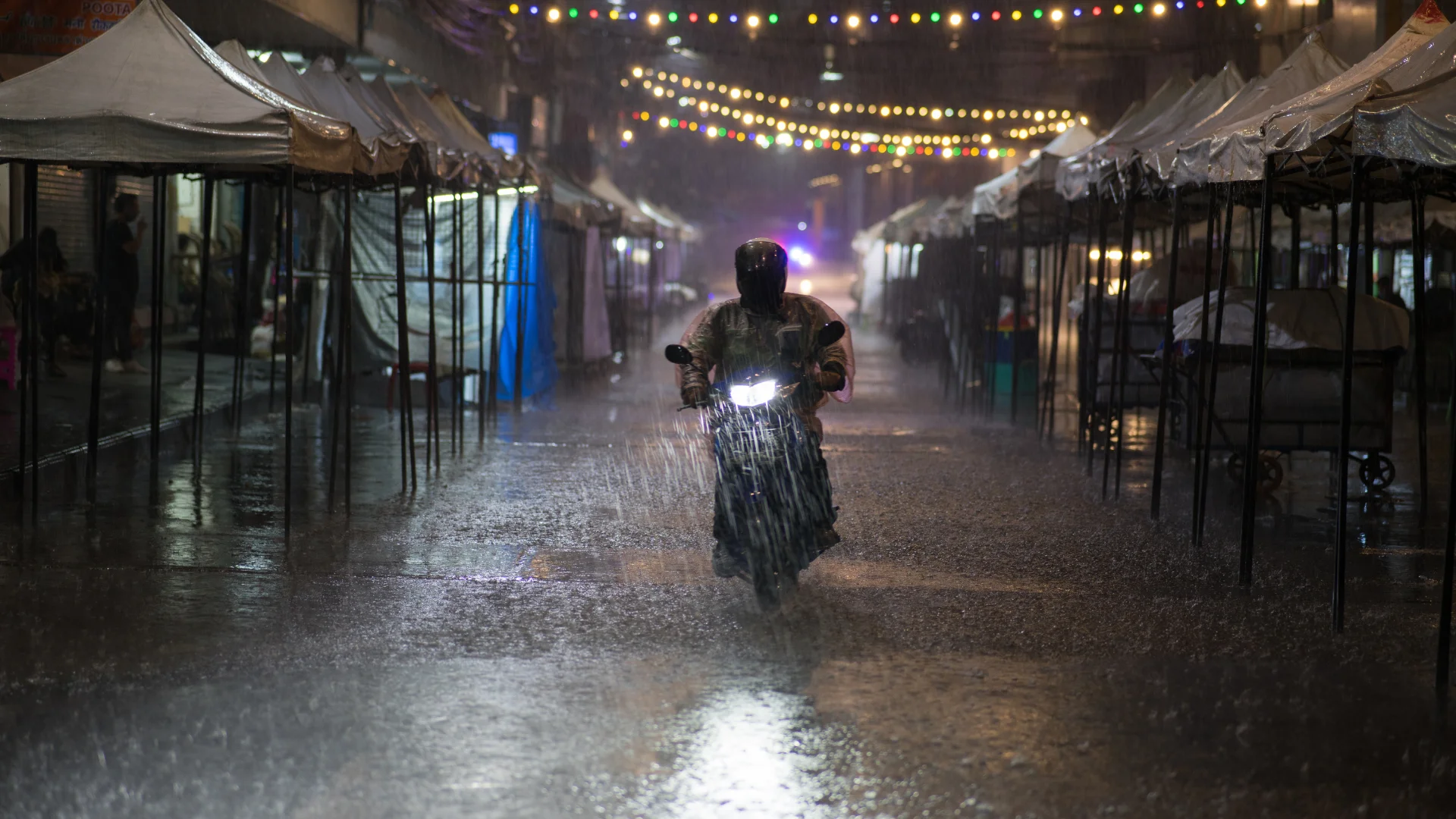
On a multi-lane road like I-5 or one of Portland's busier arterials, the cars ahead are clearing a path. Their tires push water aside and leave two slightly drier strips for you. Follow those tracks and avoid the center of the lane, where oil collects and puddles hide. Go around standing water when you safely can, since you can't see how deep it is and it raises your risk of hydroplaning.
Treat Metal and Paint Like Ice
Some surfaces go from grippy to glassy the moment they get wet. Painted lines, crosswalks, manhole covers, tar snakes, and the steel-grate decks on Portland's Willamette River bridges, like the Hawthorne, all lose grip in the rain. The Motorcycle Safety Foundation specifically flags bridge gratings and rain grooves as surfaces that demand extra care. Stay off them when you can, and ride a grated bridge in a straight line at steady speed without changing lanes. When you cross railroad tracks or a metal seam, take it as close to a 90-degree angle as possible so your tires don't slide along it.
If you've been hurt in a motorcycle crash and need answers, call us at 833-4MOTO-LAW (833-466-8652) or schedule a free consultation at www.metierlaw.com.
Rain Gear and Visibility That Earn Their Keep
Cold and soaked wears you down and pulls your focus, and a distracted rider makes mistakes. Good motorcycle rain gear fixes that. Waterproof layers over your riding gear keep water off your skin and your head in the ride, instead of letting it run down your neck and into your boots.
Visibility is the other half of the job. Drivers already struggle to see motorcycles, and rain and gray skies make it worse. The National Highway Traffic Safety Administration notes that many crashes between cars and motorcycles happen because the driver never saw the rider. High-visibility, reflective gear helps you get noticed. Keep your visor clear, too, since a Pinlock insert or anti-fog spray stops it fogging inside while a water-repellent coating makes rain bead off the outside.
Know When to Call It
Part of being a good wet-weather rider is knowing your limit. If the rain turns into a downpour you can't see through, or your hands are going stiff from the cold, pull over. A safe spot under an overpass or at a gas station beats pushing through conditions that have stopped being manageable. Stay loose while you ride, too, since clamping down on the bars makes you fight the bike instead of letting it track through the wet.
Frequently Asked Questions
Is it safe to ride a motorcycle in the rain in Portland?
Yes, with the right adjustments, and riders here do it all year. Slow down, leave more space, stay smooth on the controls, and wear gear that keeps you dry and visible. The riders who get hurt are usually the ones who ride a wet road the way they would a dry one.
How much does rain really reduce traction?
A thin film of water can cut your tire grip by 20 to 30 percent compared to dry pavement, according to the Federal Highway Administration, and the effect grows with speed. That is why slowing down does so much of the work.
What motorcycle rain gear do I actually need?
At a minimum, a waterproof jacket and pants over your riding gear, waterproof gloves, and boots that keep water out, plus a clear, fog-free visor. High-visibility colors and reflective material are worth it in the gray Pacific Northwest light.
Should I stop riding the moment it starts to rain?
For the first stretch, it is a smart move. Oil rises to the surface when the rain begins, and the Motorcycle Safety Foundation recommends waiting it out. Once traffic and water rinse the road, traction improves.
What should I do if I crash on a wet road in Portland?
Get to safety, call 911, and get checked by a doctor even if you feel fine. Then talk to a lawyer before you give the at-fault driver's insurance company a statement. They will try to pin a Portland motorcycle accident on the weather, and Oregon's coverage rules leave a lot of riders with less protection than they assume.
When a Wet Road Becomes a Crash
Rain is the price of riding in the Portland area, and it doesn't have to keep you parked. Ride smooth, give yourself room, respect the slick spots, and gear up so you stay warm and seen. Do that, and riding a motorcycle in the rain in Portland becomes another part of the season instead of a gamble.
When a careless driver turns your wet commute into a crash, that's the part we handle. We ride, we know these roads, and we know how insurers try to use the weather against you. Our motorcycle accident attorneys bring that same dedication to riders far beyond Portland too, including those recovering from Cheyenne motorcycle accidents on the other side of the country. When a crash like this proves fatal, wrongful death lawyers in Portland from our team stand with the family through everything that follows, and a wrongful death lawyer in Cheyenne offers that same support to families in Wyoming.
Call Metier Motorcycle Lawyers at 833-4MOTO-LAW (833-466-8652) or schedule your free consultation today at www.metierlaw.com.
Disclaimer: Past results discussed should not be considered a guarantee of your results as the factors of every case are individually unique. This content is for informational purposes only and does not constitute legal advice. Consult a qualified attorney from Metier Law Firm regarding your individual situation for legal advice.
If You've Been Injured In A Motorcycle Crash, Call Today - (833) 4MOTO-LAW
Tell Us About Your Case – Free Case Review with a Personal Injury Lawyer
(866) 377-3800Our Locations
.webp)
Do I have a Case?
How Much Should I Be Offered?
Do I Need an Attorney?
If these questions have crossed your mind, let us help. You may need a little direction or may not need an attorney at all, but you deserve to be confident knowing your options. We can provide you with information about our Attorneys of the West® accident investigations and legal services. Your confidential consultation with us is totally free.
Keep up with us!
