.svg)


TL;DR - Key Takeaways
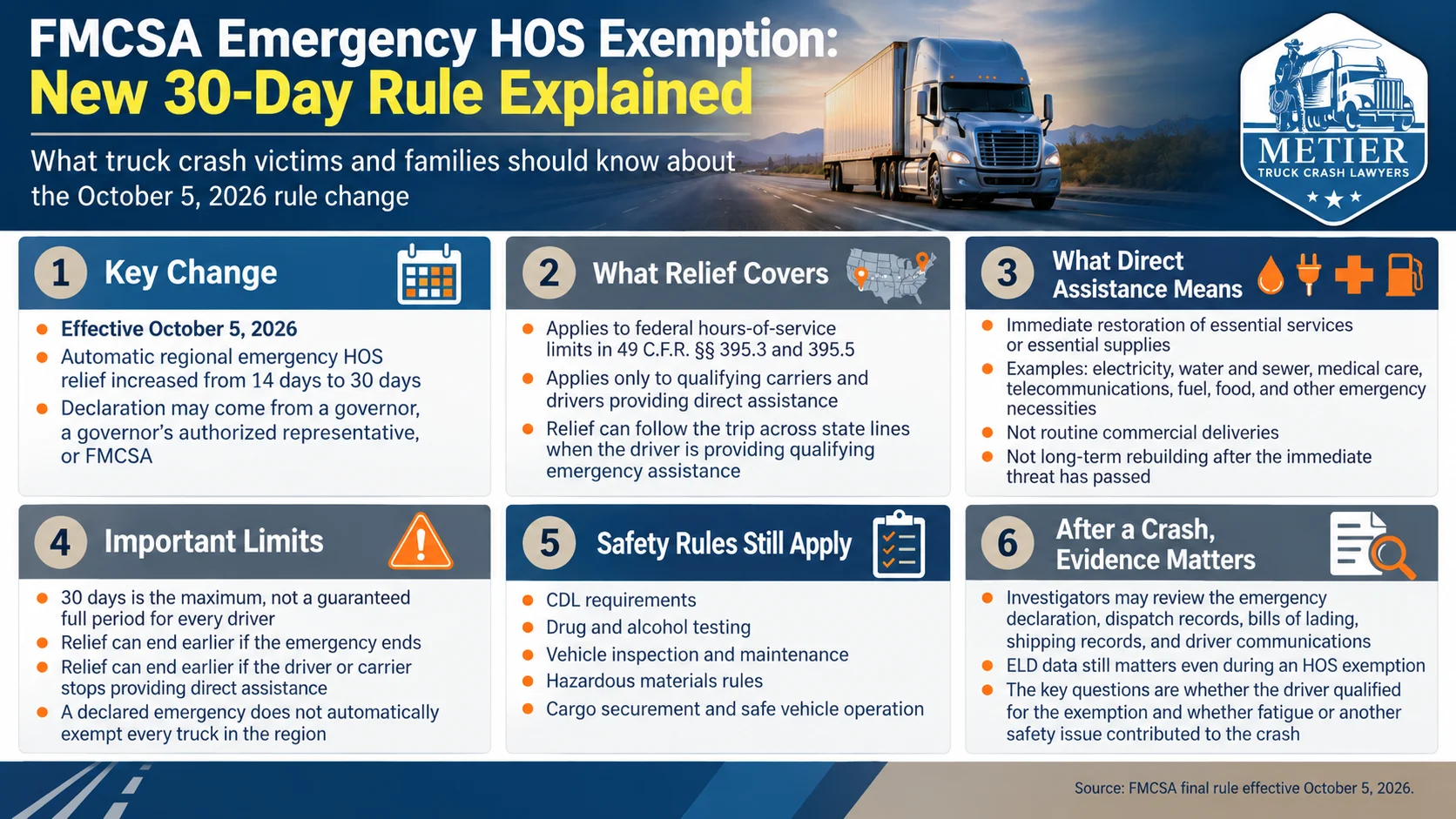
- FMCSA’s final rule, published and effective October 5, 2026, extends the automatic hours-of-service relief after a regional emergency declaration from 14 days to 30 days. A governor, a governor’s authorized representative, or FMCSA can issue that declaration.
- The automatic relief covers only the federal hours-of-service limits in 49 C.F.R. §§ 395.3 and 395.5. The other federal safety rules still apply, including CDL requirements, drug and alcohol testing, vehicle inspection and maintenance, and hazardous materials rules.
- Only carriers and drivers providing direct assistance qualify. That means transportation tied to the immediate restoration of essential services or supplies, such as fuel, food, electricity, or medical care. It doesn’t include routine commercial deliveries or long-term rebuilding once the immediate threat to life and property has passed.
- Thirty days is the maximum. Relief ends sooner if the emergency ends or the driver stops providing direct assistance.
- An HOS exemption doesn’t give anyone permission to drive while fatigued or ill. FMCSA’s guidance says carriers and drivers shouldn’t operate under those conditions, and ELD data still shows how long a driver had been working before a crash.
- When a truck crashes during a declared emergency, we examine the declaration, dispatch records, shipping documents, and ELD data to determine whether that specific driver and trip actually qualified for the exemption.
When hurricanes, wildfires, floods, fuel disruptions, and other declared emergencies strike, commercial trucks often play a critical role in delivering food, fuel, medical supplies, equipment, and other essential services.
Federal law recognizes that emergency response can require trucking companies to operate differently than they would during normal conditions. For that reason, certain truck drivers providing direct assistance during a declared emergency can receive temporary relief from federal hours-of-service rules.
On October 5, 2026, the Federal Motor Carrier Safety Administration (FMCSA) changed those rules.
Under a new final rule, FMCSA increased the automatic hours-of-service relief associated with qualifying regional emergency declarations from 14 days to 30 days. The change applies when a regional emergency is declared by a governor, a governor’s authorized representative, or FMCSA.
That does not mean truck drivers are free to ignore federal safety regulations for 30 days.
The exemption is limited, and understanding those limitations can become particularly important when a commercial truck operating during an emergency is involved in a serious crash.
What Changed Under FMCSA’s New Emergency Hours-of-Service Rule?
FMCSA’s new rule changes the duration of automatic regulatory relief following certain regional emergency declarations.
Under the previous rule, a regional declaration by a governor, an authorized representative, or FMCSA generally triggered automatic relief from certain federal hours-of-service requirements for up to 14 days.
The October 5, 2026 final rule increases that period to 30 days.
The relief applies to qualifying motor carriers and drivers providing direct assistance in response to the declared emergency.
This distinction is important: the existence of a state of emergency does not automatically exempt every commercial truck operating in the region from the normal hours-of-service rules.
What Are Hours-of-Service Rules?
Federal hours-of-service regulations restrict how long commercial drivers can drive and work before taking required breaks and off-duty periods.
These regulations are intended to address the safety risks associated with long working hours and driver fatigue.
For most property-carrying commercial drivers, the federal HOS requirements are found in 49 C.F.R. § 395.3. Passenger-carrying commercial drivers are generally governed by 49 C.F.R. § 395.5.
During qualifying regional emergencies, FMCSA’s emergency regulation can temporarily provide relief from these HOS requirements to carriers and drivers providing direct assistance.
FMCSA maintains information about current emergency declarations and regulatory relief on its Emergency Declarations, Waivers, Exemptions and Permits page.

Why Did FMCSA Increase the Exemption From 14 Days to 30 Days?
The new rule reverses part of a change FMCSA made in 2023.
Before the 2023 rule, regional emergency declarations generally provided 30 days of automatic regulatory relief. FMCSA reduced that period to 14 days while also narrowing the scope of the automatic exemption primarily to hours-of-service requirements.
Following the 2023 rule, FMCSA received petitions asking the agency to reconsider the shortened period.
In response, FMCSA’s October 5, 2026 final rule restores the automatic relief period for qualifying regional emergencies from 14 days to 30 days.
Importantly, FMCSA did not simply return to the much broader regulatory relief that existed before the 2023 changes.
The distinction between how long the exemption lasts and which regulations are exempted is critical.
Does the New Rule Suspend All Federal Trucking Safety Regulations?
No.
For qualifying regional emergency declarations, the automatic exemption is directed at the federal hours-of-service limits in 49 C.F.R. §§ 395.3 and 395.5.
FMCSA previously narrowed emergency relief because many other Federal Motor Carrier Safety Regulations remain important even during an emergency.
For example, federal regulations governing driver qualifications, required vehicle equipment, vehicle inspection and maintenance, and safe vehicle operation generally serve safety purposes that do not disappear simply because a truck is delivering emergency supplies.
FMCSA has specifically explained that temporary relief from HOS requirements may help carriers provide critical supplies and services quickly, while exemptions from unrelated safety regulations may not be necessary to accomplish that goal.
In other words, an emergency declaration is not a blanket exemption from truck safety laws.
What Does “Direct Assistance” Mean?
This may become one of the most important questions when determining whether the emergency exemption actually applied to a particular truck or driver.
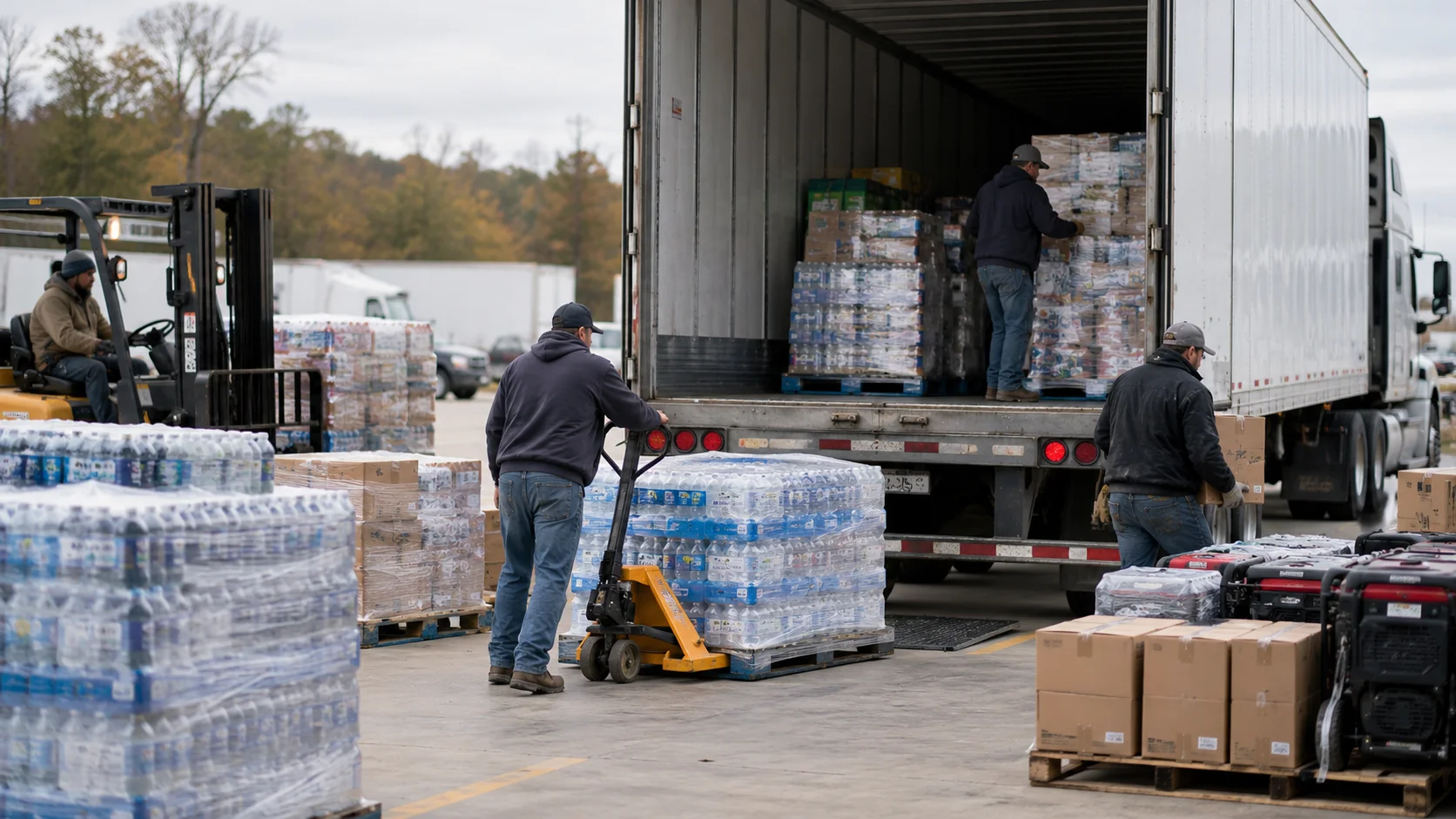
FMCSA describes direct assistance as transportation and other relief services related to the immediate restoration of essential services or essential supplies during an emergency.
Examples can include transportation connected with restoring:
- Electricity;
- Water and sewer service;
- Medical care;
- Telecommunications;
- Fuel;
- Food; and
- Other supplies or services necessary to respond to the immediate emergency.
But the exemption is not unlimited.
FMCSA explains that the emergency exemption generally does not cover routine commercial deliveries or transportation associated with long-term rebuilding after the immediate threat to life and property has passed.
A carrier cannot necessarily avoid the ordinary HOS rules simply because its truck happens to be operating in an area where an emergency has been declared.
The driver must actually qualify for the emergency relief.
How Long Does the New 30-Day Exemption Last?
Thirty days is the maximum automatic period associated with a qualifying regional declaration, not a guaranteed 30-day exemption for every participating driver.
The relief can end sooner.
For example, the exemption may cease when the declared emergency ends or when the carrier or driver is no longer providing qualifying direct assistance.
FMCSA’s emergency guidance emphasizes that even when a declaration remains in effect, the underlying emergency must still be ongoing and the carrier must still be providing direct emergency assistance to receive the regulatory relief.
That distinction could be significant after a truck crash occurring near the end of an emergency declaration.
Does the Emergency Exemption Apply Everywhere the Truck Travels?
Potentially.
FMCSA explains that drivers providing qualifying direct assistance to a declared emergency may receive applicable federal regulatory relief while traveling through other states on their route to the emergency, even if those states are not themselves covered by the emergency declaration.
That can make determining the applicability of the exemption more complicated after an interstate trucking collision.
Investigators may need to identify the driver’s origin, destination, cargo, dispatch instructions, route, emergency declaration, and purpose of the trip.
Does a 30-Day HOS Exemption Mean a Driver Can Drive While Fatigued?
No.
Relief from a particular hours-of-service regulation should not be confused with permission to operate a commercial truck when doing so is unsafe.
FMCSA’s emergency guidance expressly states that even when safety regulations are temporarily suspended, carriers and drivers are expected to use good judgment and not operate vehicles with fatigued or ill drivers or under conditions presenting a clear hazard to other motorists.
That distinction matters.
Compliance with, or exemption from, a specific HOS limit does not necessarily answer the separate factual question of whether a driver was too fatigued to operate safely at the time of a crash.
What Happens If a Truck Operating Under an Emergency Exemption Causes a Crash?
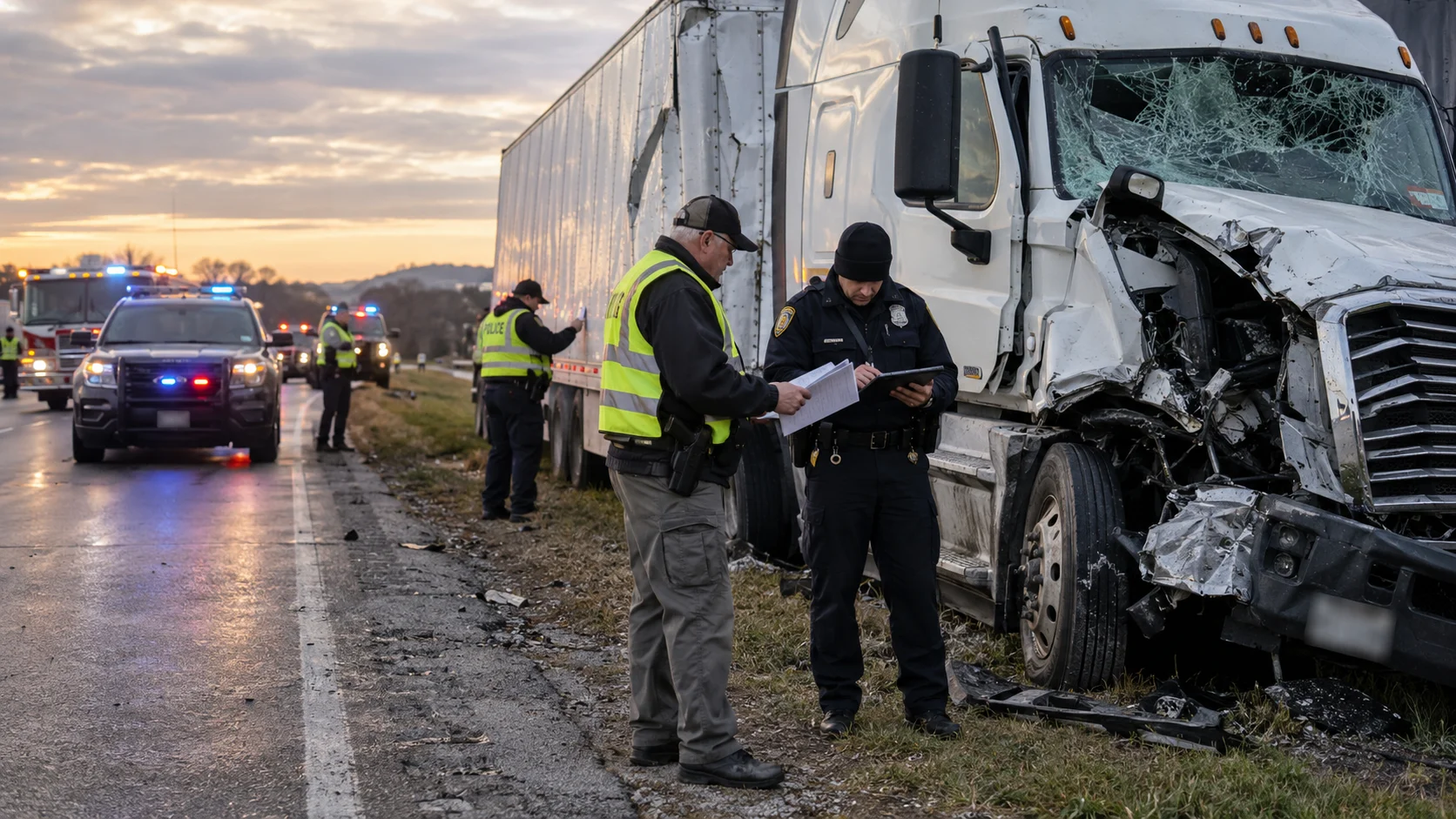
A serious truck crash occurring during a declared emergency may require additional investigation.
One of the first questions should be:
Was this truck and driver actually entitled to the emergency exemption?
Answering that question may require examining:
The emergency declaration. Who issued it, when did it become effective, what emergency did it address, and what geographic area did it cover?
The timing of the trip. Was the declaration still effective when the driver was operating?
The driver’s purpose. Was the driver actually providing direct assistance to the emergency?
The cargo. What was the truck transporting, where did it originate, and where was it going?
Dispatch records. What instructions did the carrier give the driver?
Bills of lading and shipping documents. Do the records support the claim that the shipment was part of the emergency response?
ELD records. How long had the driver actually been driving and working?
Driver communications. What did dispatchers, brokers, shippers, or others tell the driver about the trip and delivery schedule?
Those records can help determine both whether the exemption applied and what happened before the collision.
ELD Records Can Still Matter Even When HOS Rules Are Temporarily Suspended
An emergency exemption can change the legal limits governing a driver’s hours, but it does not make the driver’s electronic records irrelevant.
Electronic logging device data may still help establish when a driver began working, how long the truck had been moving, where it traveled, when the driver stopped, and how the trip progressed.
That evidence can be especially important when investigating fatigue.
For example, a driver might be legally exempt from an ordinary HOS limit because of a qualifying emergency but still have been awake or driving for an unusually long period before a collision.
The legal exemption and the driver’s actual physical condition are separate questions.
Other Trucking Safety Requirements Still Matter
An emergency response can create demanding conditions for truck drivers and carriers.
But the 30-day regional emergency exemption should not be interpreted as suspending every federal trucking safety obligation.
Depending on the circumstances, an investigation may still need to examine:
- Driver qualifications;
- Commercial driver’s license requirements;
- Drug and alcohol regulations;
- Vehicle inspection and maintenance;
- Tires and brakes;
- Required truck equipment;
- Cargo securement;
- Hazardous materials requirements;
- Out-of-service orders;
- Safe vehicle operation; and
- Whether the driver was ill or fatigued.
FMCSA’s emergency guidance specifically notes that emergency exemptions do not ordinarily eliminate requirements concerning CDLs, drug and alcohol testing, hazardous materials, size and weight, or federal and state registration and tax requirements, although separate state emergency orders may provide additional relief.
Why Evidence Preservation Can Be Especially Important
Emergency trucking operations can involve more parties than an ordinary shipment.
Depending on the response, a trip might involve a shipper, motor carrier, freight broker, government agency, emergency-management organization, fuel supplier, utility company, subcontractor, or other entity.
Determining who requested the transportation and why the truck was on the road may therefore require evidence from several sources.
After a serious collision, relevant evidence may include:
- The applicable emergency declaration;
- ELD data;
- Dispatch records;
- GPS and telematics information;
- Bills of lading;
- Freight and shipping records;
- Broker communications;
- Driver text messages and electronic communications;
- Fuel and toll records;
- Driver qualification records;
- Vehicle inspection and maintenance records;
- Engine control module or event data;
- Collision-avoidance system data; and
- Dash-camera or other video.
Preserving this information early can help establish both the circumstances of the trip and what occurred before the crash.

Not Every Emergency Declaration Works the Same Way
Another important point is that federal emergency exemptions can differ depending on who declares the emergency and the type of emergency involved.
For example, FMCSA’s regulations contain separate provisions addressing presidential emergency declarations, regional declarations, local emergencies, certain residential heating fuel shortages, and tow trucks responding to emergency requests.
The scope and duration of regulatory relief can differ.
For that reason, determining what rules applied to a particular truck should begin with the actual emergency declaration and the version of 49 C.F.R. § 390.23 in effect at the time of the collision, not an assumption that all emergency trucking operations receive the same exemption.
What the New FMCSA Rule Means for Drivers Sharing the Road With Commercial Trucks
Emergency trucking serves an essential purpose.
Communities affected by natural disasters and other emergencies need food, fuel, medical supplies, utility equipment, and other critical resources delivered quickly.
FMCSA’s new rule gives qualifying carriers additional flexibility by restoring up to 30 days of automatic HOS relief during regional emergencies.
But the rule attempts to balance that flexibility with highway safety.
It does not give every truck operating during an emergency permission to disregard federal safety regulations, and it does not eliminate the need for carriers and drivers to operate commercial vehicles safely.
When a serious crash occurs, the important question is not simply whether an emergency existed.
The investigation should determine what exemption actually applied, whether this particular driver qualified for it, how long the driver had been working, and whether fatigue or another safety issue contributed to the collision.
Metier Law Firm Investigates the Rules and Evidence Behind Serious Truck Crashes
Commercial truck accident cases can involve far more than determining which driver received a traffic citation.
At Metier Law Firm, our truck accident lawyers investigate the federal trucking regulations, electronic records, carrier practices, shipping relationships, vehicle evidence, and other information that may explain why a serious truck crash occurred.
When an accident happens during a declared emergency, that investigation may also require determining whether an emergency HOS exemption applied, and whether the driver and trucking company actually qualified for it.
If you or a family member has been seriously injured in a commercial truck accident, contact Metier Law Firm to learn more about your legal options.
This article is for informational purposes only and reflects the status of federal law and FMCSA regulations as of October 5, 2026. It is not legal advice.
Sources: FMCSA - October 5, 2026 Final Rule: Clarification to the Applicability of Emergency Exemptions | FMCSA - Emergency Declarations, Waivers, Exemptions and Permits
https://www.fmcsa.dot.gov/regulations/federal-register-documents/2026-20325
Disclaimer: Past results discussed should not be considered a guarantee of your results as the factors of every case are individually unique. This content is for informational purposes only and does not constitute legal advice. Consult a qualified attorney from Metier Law Firm regarding your individual situation for legal advice.

Tell Us About Your Case – Free Case Review with a Personal Injury Lawyer
(866) 377-3800Our Locations
.webp)
Do I have a Case?
How Much Should I Be Offered?
Do I Need an Attorney?
If these questions have crossed your mind, let us help. You may need a little direction or may not need an attorney at all, but you deserve to be confident knowing your options. We can provide you with information about our Attorneys of the West® accident investigations and legal services. Your confidential consultation with us is totally free.
Keep up with us!
