.svg)


TL;DR
● Winter weather contributes to over 100,000 crashes annually, with proper preparation and defensive driving techniques significantly reducing your risk.
● All-wheel drive helps you accelerate, but it won't help you stop on ice—winter tires and increased following distance are essential for all vehicles.
● After a winter crash, document everything and contact a car accident lawyer before giving recorded statements to insurance companies who often blame weather to deny claims.
● Fault determination in winter accidents is complex—weather doesn't automatically excuse negligence when drivers speed, tailgate, or fail to adjust to conditions.
Winter weather kills. According to the National Highway Traffic Safety Administration, there were over 101,000 crashes in snow and sleet conditions in 2023 alone. After nearly three decades as a personal injury and car accident lawyer, I've seen what happens when drivers think they can handle conditions they can't. I've also watched insurance companies deny legitimate claims by blaming weather when the real cause was negligence. Here are the winter driving tips you need, along with critical information about protecting your rights after a winter crash.
Know Your Vehicle's Real Limits
All-wheel drive helps you accelerate in snow, but it does nothing to help you stop on ice. Antilock brakes prevent wheel lockup, but they still need traction to work. We've represented clients who believed their SUV could handle any condition, only to end up in a serious accident. Before winter hits, understand what your vehicle can and cannot do. If you're driving mountain passes or rural routes regularly, you may need tire chains regardless of your vehicle type.
Winter Tires Make a Measurable Difference
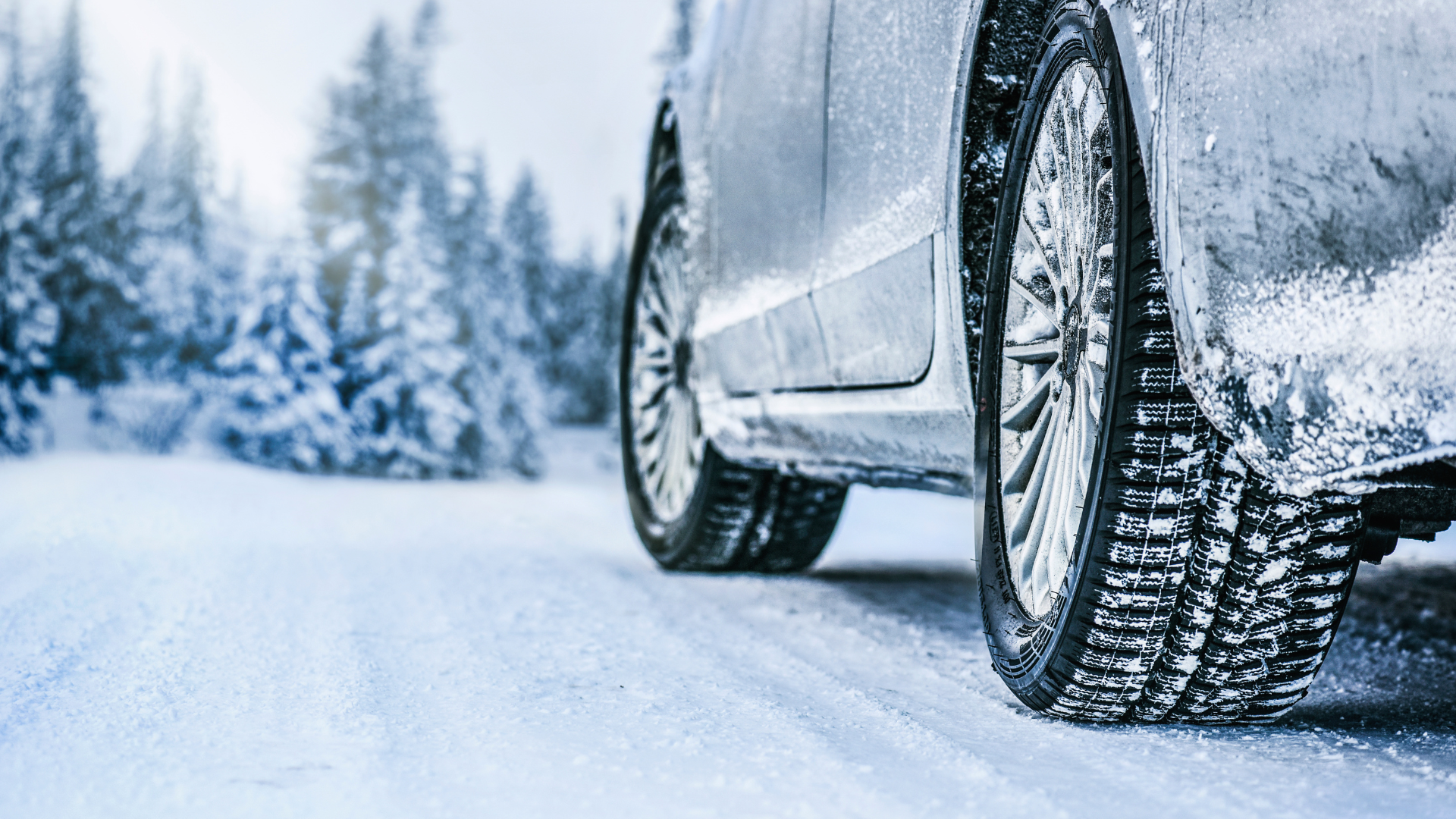
All-season tires are designed for moderate conditions. If you're facing months of snow and ice, winter tires can reduce stopping distances by 20 to 30 feet compared to all-season tires. That difference could prevent a rear-end collision. As a car accident lawyer who has reviewed countless crash reports, I can tell you that proper tires matter. The rubber compounds in winter tires stay flexible in cold weather, and the tread patterns are specifically engineered for snow and ice traction.
Adjust Your Following Distance
The standard three to four second following distance needs to increase to eight to ten seconds in winter conditions, according to AAA. This gives you more time and distance to react if the vehicle ahead loses control. Slow down before you reach curves, intersections, and hills. Speed limits are set for ideal conditions, not blizzards. If you're driving slower than the posted limit because of weather, you're doing the right thing.
Watch for Black Ice and Reduced Visibility
Black ice forms when temperatures hover near freezing and moisture on the road freezes into a nearly invisible layer. Bridges, overpasses, and shaded areas freeze first. If the road looks wet but your temperature gauge shows freezing or near-freezing temps, assume it's ice. Limited visibility from blowing snow is another major hazard. Take time to clear all windows, mirrors, headlights, and taillights before driving. Partial visibility is a common factor in winter accidents.
Carry Emergency Supplies
Your vehicle should have an ice scraper, blankets, first aid kit, flashlight, phone charger, water, snacks, and a small shovel. Keep your gas tank at least half full during winter months. This prevents fuel line freezing and ensures you can run your heater if you're stuck. We've represented families who lost loved ones because they weren't prepared for an unexpected delay in freezing conditions.
When to Call a Car Accident Lawyer After a Winter Crash
If you're injured in a winter weather accident, contact a car accident lawyer before you give a recorded statement to any insurance company. Insurance adjusters often use winter weather as an excuse to deny claims, arguing that the crash was unavoidable due to conditions. This isn't always true. Even in snow or ice, drivers have a duty to operate their vehicles safely and adjust to conditions. A car accident lawyer can investigate whether the other driver was speeding, following too closely, or otherwise being negligent despite the weather.
If you or a loved one was injured in a car accident, call us at 866-377-3800 or schedule a free consultation at www.metierlaw.com.
What to Do Immediately After a Winter Weather Crash
Stay in your vehicle if it's safe to do so, especially on highways where visibility is poor. Turn on your hazard lights and call 911. Even if injuries seem minor, get checked by medical professionals. Take photos of the scene, vehicle damage, road conditions, and any visible ice or snow. Get contact and insurance information from other drivers. If there are witnesses, get their names and phone numbers. Do not admit fault at the scene.
Common Insurance Issues With Winter Accidents
Insurance companies frequently try to deny or reduce claims after winter weather crashes by arguing that the accident was unavoidable due to conditions. According to NHTSA data, weather contributes to crashes, but drivers are still expected to use reasonable care. This means slowing down, increasing following distance, and not driving beyond their abilities. We've seen insurers blame weather when the real cause was excessive speed or distracted driving. A car accident lawyer can push back against these tactics.
Another common issue is underinsured motorist coverage. If the at-fault driver doesn't have enough insurance to cover your damages, your own underinsured motorist policy may provide additional compensation. An experienced car accident lawyer can review your policy and maximize your recovery.
Fault Determination in Winter Weather Crashes

Weather doesn't automatically excuse negligence. If a driver was speeding, tailgating, or driving recklessly given the conditions, they can still be held liable even if ice or snow was present. The Federal Highway Administration reports that 24% of weather-related crashes occur on snowy or icy pavement, but many of these accidents are preventable with proper driving habits. Police reports often note whether drivers were operating at safe speeds for conditions. We investigate every aspect of the crash, including tire condition, vehicle maintenance, and driver behavior.
FAQ
Does insurance cover winter weather accidents?
Yes, if you have collision coverage. However, insurers may try to deny claims by arguing the accident was unavoidable. A car accident lawyer can help you fight improper denials.
Can I be held liable if the roads were icy?
Yes. Drivers must adjust their driving to match road conditions. If you were driving too fast for icy conditions or following too closely, you can be found at fault even though the roads were slippery.
What if the other driver says weather caused the crash?
Weather may contribute, but it rarely eliminates fault. If the other driver was negligent in how they responded to conditions, they can still be held responsible. Our car accident lawyers investigate the actual cause.
Should I accept the first settlement offer?
No. Initial offers are often far below what your claim is worth. Consult with a car accident lawyer before accepting any settlement.
How long do I have to file a claim?
This depends on your state and the claim. In Colorado and Washington you have three years to file a personal injury claim against the at fault party. Nebraska and Wyoming give you 4 years and Oregon gives you two years. Each state has different deadlines for property damage claims, uninsured/underinstured claims, wrongful death claims and claims against the government. Contact a car accident lawyer as soon as possible after your crash.
Why Our Experience Matters
Winter driving tips can reduce your risk, but they can't eliminate it. When the worst happens, you need a legal team that understands how winter weather affects liability and how insurance companies operate. We've handled winter weather crashes across five states for over three decades. We know the tactics insurers use, and we know how to counter them.
Call Metier Law Firm at 866-377-3800 or schedule your free consultation today at www.metierlaw.com. Speak with an experienced Denver truck accident lawyer serving Colorado Springs, Fort Collins, Seattle, Portland, and Cheyenne.
Disclaimer: Past results discussed should not be considered a guarantee of your results as the factors of every case are individually unique. This content is for informational purposes only and does not constitute legal advice. Consult a qualified attorney from Metier Law Firm regarding your individual situation for legal advice.

Tell Us About Your Case – Free Case Review with a Truck Accident Lawyer
Tell Us About Your Case – Free Case Review with a Personal Injury Lawyer
(866) 377-3800Our Locations
.webp)
Do I have a Case?
How Much Should I Be Offered?
Do I Need an Attorney?
If these questions have crossed your mind, let us help. You may need a little direction or may not need an attorney at all, but you deserve to be confident knowing your options. We can provide you with information about our Attorneys of the West® accident investigations and legal services. Your confidential consultation with us is totally free.
Keep up with us!
