.svg)


TL;DR
- Chest pain after a car crash can signal serious injuries like fractured ribs, internal organ damage, or cardiac contusions that require immediate medical attention.
- Delayed chest pain after a car accident is common as adrenaline masks symptoms, making early medical evaluation critical for your health and claim.
- Documenting injuries after a car accident through ER visits and follow-up care directly impacts the strength and value of your personal injury claim.
- Insurance companies challenge claims when there's a delay in medical treatment, making prompt action essential.
- An experienced car accident attorney can connect your chest pain to the crash and fight for full compensation.
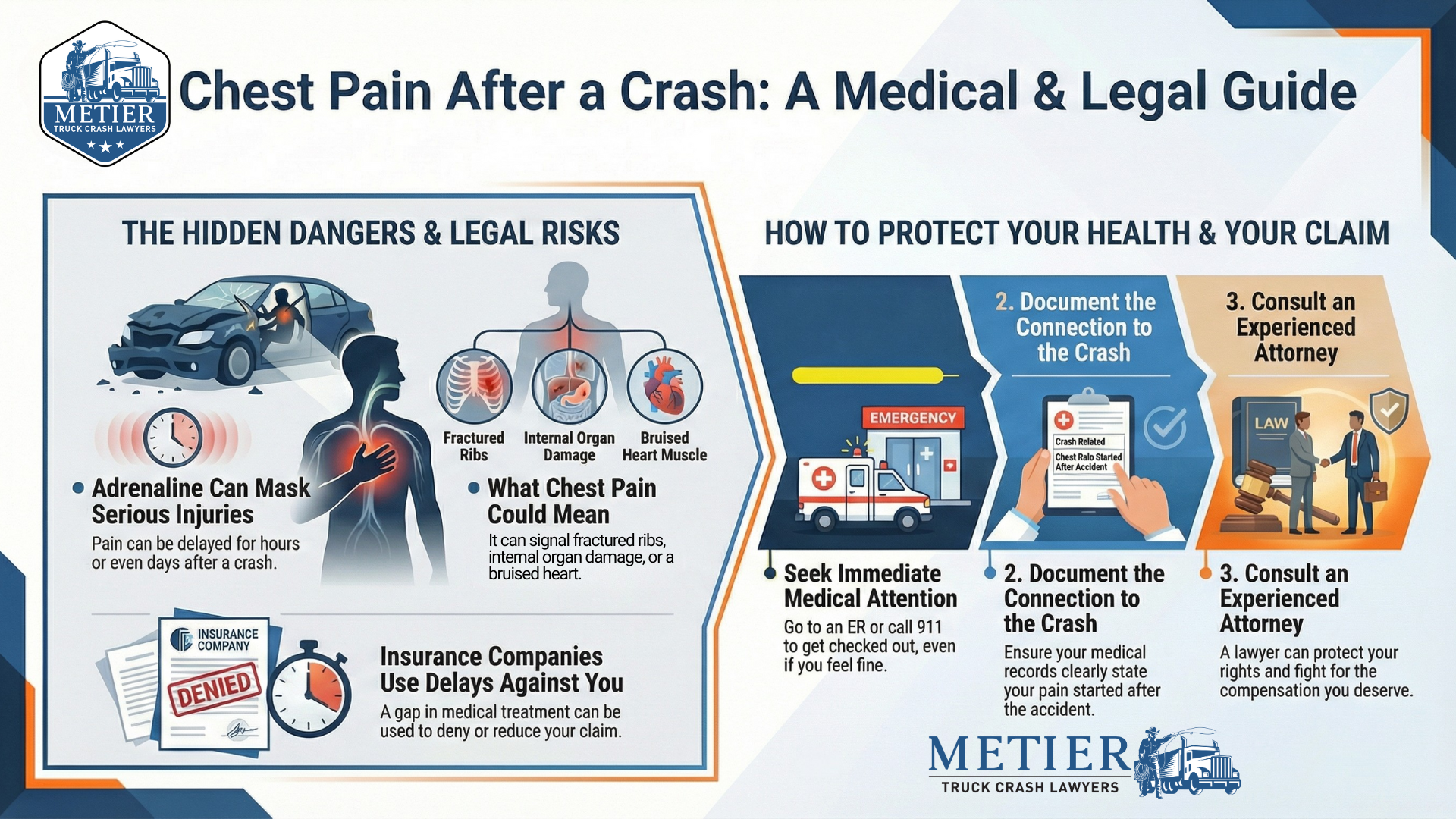
Chest pain after a car crash is one of those symptoms you can't afford to ignore. It can mean anything from strained muscles to fractured ribs, or worse, life-threatening damage to your heart or lungs. Some injuries don't show up right away because adrenaline floods your system during the crash.
"I've represented clients who walked away from crashes feeling fine, only to end up in the ER 48 hours later with serious internal injuries," says Phil Chupik, Partner and Personal Injury Attorney at Metier Law Firm. "Your body's fight-or-flight response can mask pain temporarily, but that doesn't mean the injury isn't there. Getting checked out immediately protects both your health and your legal rights."

You should seek immediate medical attention because injuries like heart or lung damage may not be immediately apparent but can worsen over time. We've seen too many cases where delayed treatment turned manageable injuries into permanent damage, and insurance companies used that delay to deny valid claims.
Chest Pain After a Car Accident: What It Could Mean for Your Injury Claim
When you feel chest pain after a car crash, your first thought should be your health, not your legal claim. But how you respond to that pain will directly affect your ability to recover compensation later.
Insurance adjusters look for any reason to reduce or deny your claim. If you wait days or weeks to see a doctor, they'll argue your chest pain wasn't caused by the crash. Medical records create a timeline that connects your injuries to the collision. Every ER visit, test, and diagnosis adds documentation proving the crash caused your injuries.
According to the National Highway Traffic Safety Administration, proper seat belt use saves thousands of lives annually, but crash forces can still cause a seat belt chest injury even when buckled correctly. The chest takes tremendous impact during collisions, and that force has to go somewhere.
Why Chest Pain Is Common After a Car Accident
Your chest is vulnerable in crashes because of its location and what's inside it. When your vehicle suddenly stops but your body keeps moving forward, your chest slams into the seat belt or steering wheel. That impact transfers massive force to your ribs, sternum, and the organs behind them.
The seat belt concentrates crash forces across your chest and shoulder. This can lead to what doctors call seat belt syndrome, a collection of injuries including bruising, fractures, and internal damage along the belt's path.
Your ribs protect your heart and lungs, but in moderate to severe crashes, they can crack or break. A bruised sternum after car accident is also common because the breastbone sits where the seat belt applies the most pressure. Sometimes pain comes from soft tissue damage like strained muscles. Other times it signals dangerous internal injuries.
Crash-Related Injuries That Can Cause Chest Pain
We've handled a great deal of car accident cases across Colorado, Washington, Oregon, and Wyoming where chest pain after a car crash was the first symptom of serious injury. Here's what we see most often:
- A rib fracture after car accident is extremely painful. Broken ribs hurt when you breathe, cough, or move. They usually heal on their own but can puncture your lung or damage blood vessels if displaced.
- Sternum fracture car accident cases are less common but equally painful. These fractures require significant impact force, which often means other injuries are present too.
- A collapsed lung after car accident, medically called pneumothorax, happens when air leaks into the space between your lung and chest wall. This makes breathing difficult and requires immediate treatment.
- Blunt cardiac injury symptoms include chest pain, irregular heartbeat, and shortness of breath after car accident. When your chest hits the steering wheel or seat belt with enough force, it can bruise your heart muscle. According to research published by the National Center for Biotechnology Information, cardiac injuries from blunt trauma are often underdiagnosed because symptoms overlap with other chest injuries.
When Chest Pain May Indicate a More Serious Injury
Some warning signs tell you that chest pain after a car crash needs emergency attention. If you experience any of these symptoms, call 911 or get to an emergency room immediately:
Severe chest pain that feels like pressure or crushing. Difficulty breathing or shortness of breath that worsens. Rapid or irregular heartbeat. Coughing up blood. Pain radiating to your shoulder, arm, neck, or jaw. Dizziness, lightheadedness, or fainting.
These symptoms can indicate internal bleeding, heart injury, or respiratory failure. The Centers for Disease Control and Prevention reports that motor vehicle crashes remain a leading cause of injury-related deaths, many occurring hours or days later when internal injuries go untreated.
Delayed chest pain after a car accident is also concerning. If you felt fine initially but developed chest pain when breathing after car accident 24 to 48 hours later, that's your body signaling something is wrong.
How Chest Pain Can Affect Your Car Accident Claim
Your injuries determine your personal injury claim's value. Chest pain after a car crash can lead to significant medical expenses, lost wages, and long-term complications. But proving those injuries came from the crash requires solid documentation.
A delay in medical treatment car accident claim is one of the biggest challenges we face representing injured clients. Insurance companies use any gap in treatment to argue your injuries weren't serious or didn't come from the crash.
Documenting injuries after a car accident means getting examined immediately, following your doctor's treatment plan, attending all follow-up appointments, and keeping records of everything. Every piece of documentation strengthens your claim.
We've recovered millions for clients with chest injuries because we had medical evidence proving the crash caused their pain. X-rays showing rib fractures dated the day of the crash. ER records documenting chest pain within hours of collision. Follow-up visits with specialists diagnosing internal injuries. That documentation tells a story insurance companies can't dispute.
If you or a loved one was injured in a car accident, call us at 866-377-3800 or schedule a free consultation at www.metierlaw.com.
Steps to Take After Experiencing Chest Pain From a Car Accident
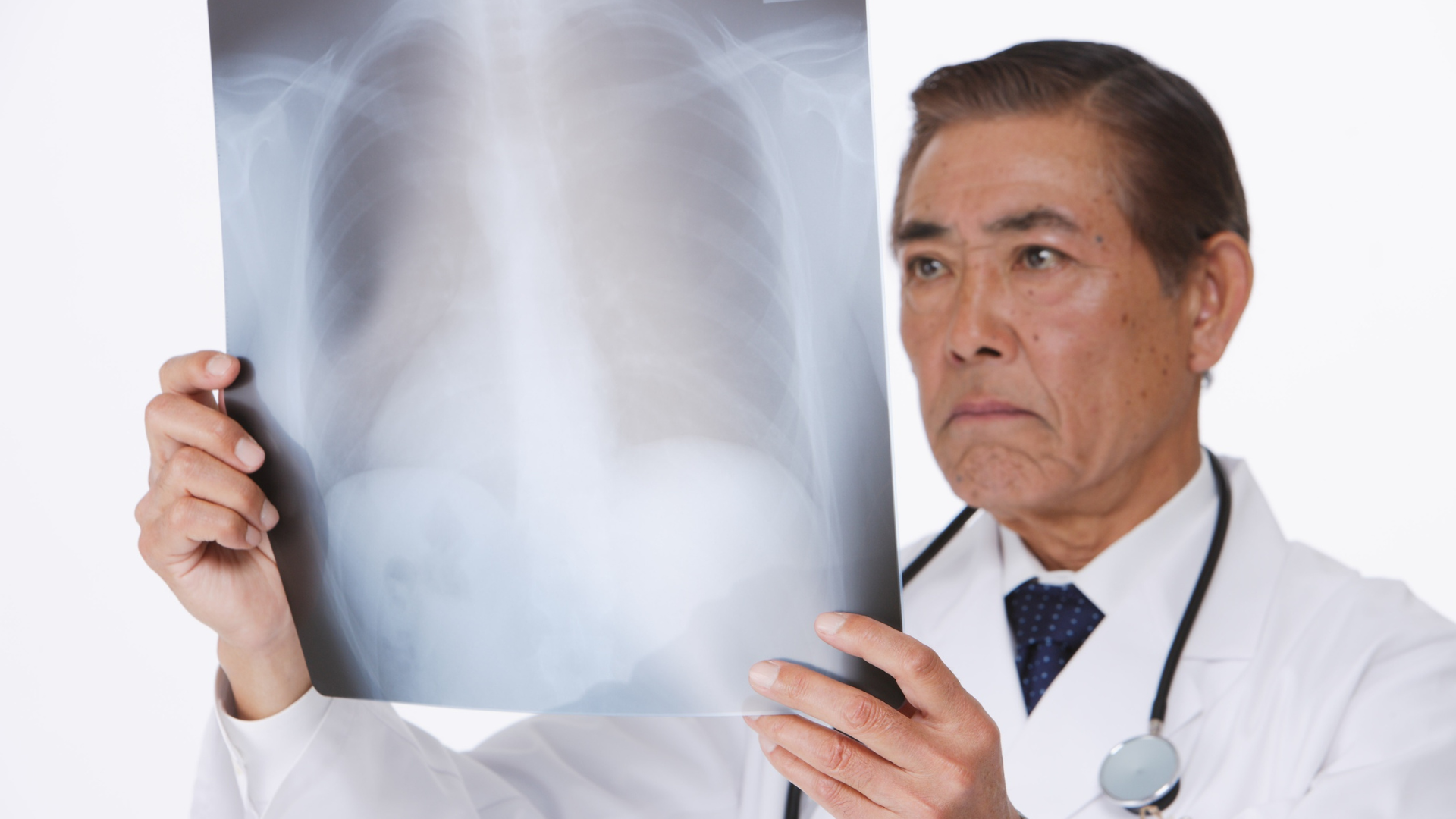
Here's exactly what you should do if you have chest pain after a car crash:
- Get medical help immediately. Don't wait to see if pain goes away. Call 911 or go to the nearest emergency room. Tell them you were in a car accident and describe your symptoms in detail.
- Tell the doctor about the crash. Make sure your medical records clearly state your chest pain started after the car accident. This creates the connection between crash and injuries.
- Follow the treatment plan. If your doctor orders tests, get them done. Insurance companies track your compliance with treatment.
- Document everything. Take photos of visible bruising. Keep copies of all medical records, bills, and prescriptions. Write down how pain affects daily activities.
- Report the crash. File a police report if you haven't already. Contact your insurance company, but be careful what you say. Don't admit fault or downplay injuries.
- Don't give a recorded statement to the other driver's insurance company. They'll use your words against you. Politely decline and tell them your attorney will contact them.
- Call a car accident attorney. The sooner you have legal representation, the better protected you are.
Frequently Asked Questions
Can chest pain after a car accident be delayed?
Yes, delayed chest pain after a car accident is common. Adrenaline and shock can mask symptoms for hours or days. Some injuries like cardiac contusions or internal bleeding take time to manifest symptoms. Get examined immediately after a crash, even if you feel fine.
What does seat belt syndrome feel like?
Seat belt syndrome typically causes pain, bruising, and tenderness across your chest and abdomen where the belt restrained you. You might have difficulty breathing deeply, pain when coughing, or visible bruising in a diagonal pattern. More serious cases involve internal injuries beneath the seat belt path.
How long does chest pain last after a car accident?
It depends on the injury. Muscle strains might heal in weeks, while a rib fracture after car accident can take six to eight weeks. More serious injuries like cardiac contusions or pneumothorax require longer recovery. If chest pain persists or worsens, see a doctor immediately.
Will insurance cover my medical bills for chest pain after a crash?
If the other driver was at fault, their insurance should cover your medical expenses. However, insurance companies often challenge claims when there's a gap in treatment or insufficient documentation. Prompt medical attention and thorough documentation are critical.
Do I need a lawyer for chest pain injuries from a car accident?
If you have significant medical bills, missed work, or ongoing symptoms, yes. Insurance companies will minimize your claim. An experienced attorney understands how to document chest pain injuries, work with medical experts, and negotiate for full compensation covering your current and future medical needs.
Contact a Car Accident Attorney at Metier Law Firm Today
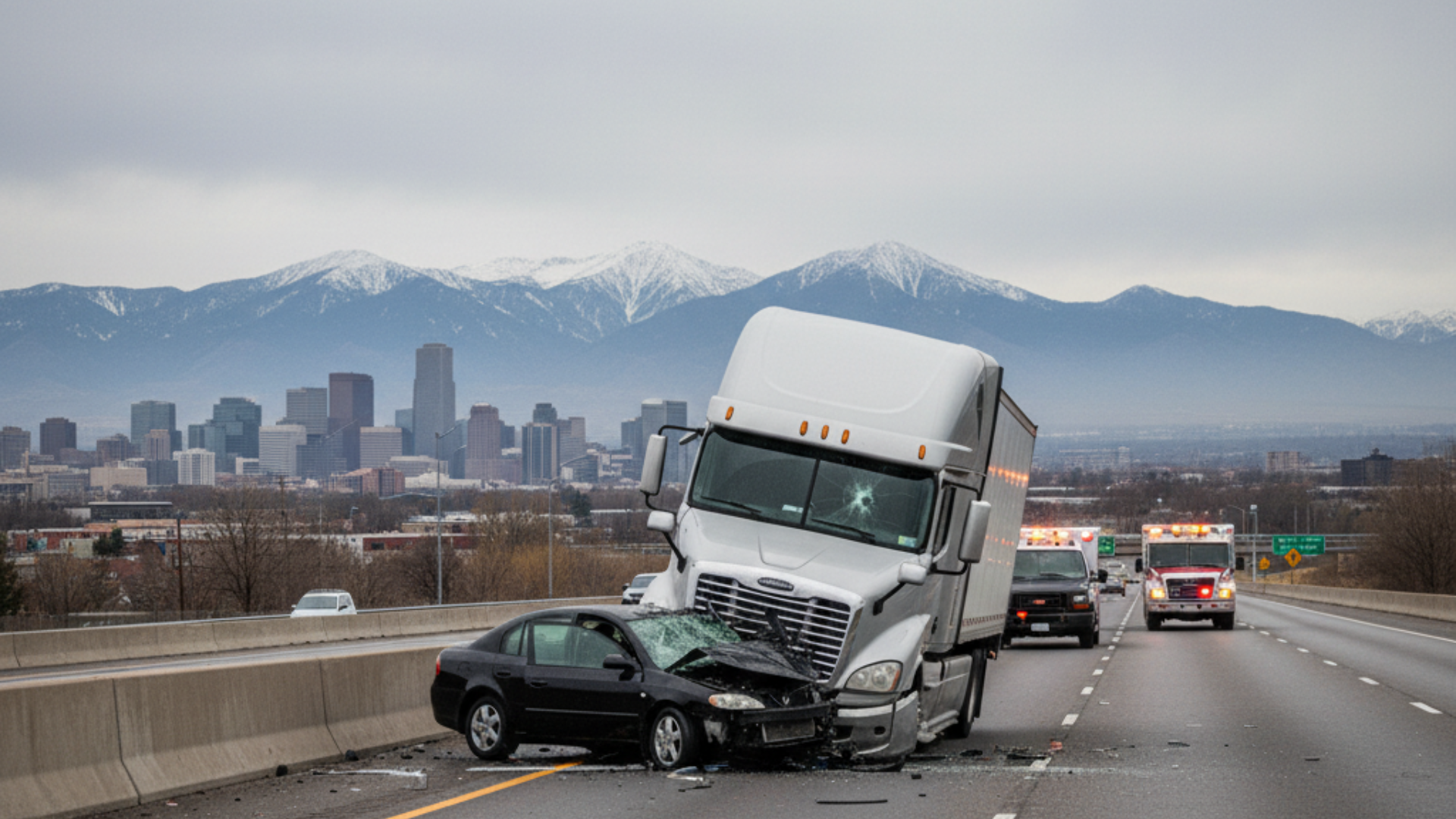
Chest pain after a car crash isn't something you should handle alone. Your health comes first, but protecting your legal rights is critical too. Insurance companies have teams working to minimize what they pay you. You need someone fighting just as hard for your interests.
We've spent nearly three decades representing injured people across Colorado, Washington, Oregon, and Wyoming. We know how these cases work. We know what evidence matters. We know how to prove your chest pain came from the crash and that you deserve full compensation.
Your consultation is free. We don't get paid unless we win your case. There's no financial risk to calling us and getting answers about your situation.
Call Metier Law Firm at 866-377-3800 or schedule your free consultation today at www.metierlaw.com.
Disclaimer: Past results discussed should not be considered a guarantee of your results as the factors of every case are individually unique. This content is for informational purposes only and does not constitute legal advice. Consult a qualified attorney from Metier Law Firm regarding your individual situation for legal advice.

Tell Us About Your Case – Free Case Review with a Car Accident Lawyer
Tell Us About Your Case – Free Case Review with a Personal Injury Lawyer
(866) 377-3800Our Locations
.webp)
Do I have a Case?
How Much Should I Be Offered?
Do I Need an Attorney?
If these questions have crossed your mind, let us help. You may need a little direction or may not need an attorney at all, but you deserve to be confident knowing your options. We can provide you with information about our Attorneys of the West® accident investigations and legal services. Your confidential consultation with us is totally free.
Keep up with us!
