



In the world of truck accident lawsuits, seeking punitive damages can be tough. Unlike regular damages, which are meant to help the victim recover, punitive damages are designed to punish bad behavior and stop it from happening again. For truck accident cases, getting these damages from a trucking company means meeting strict legal standards, and those standards change from state to state. Here’s a look at when a truck accident victim might be able to get punitive damages.
Punitive Damages Rules in the States We Serve
Each state sets its own rules for punitive damages:
- Colorado: Colorado calls them exemplary damages. They’re available only when the injury came with fraud, malice, or willful and wanton conduct, proven beyond a reasonable doubt. They can’t be included in the first complaint and can only be added later in the case, and they’re generally capped at the amount of your actual damages.
- Oregon: You need clear and convincing evidence that the defendant acted with malice or showed a reckless and outrageous indifference to a highly unreasonable risk of harm. Seventy percent of any punitive award goes to state funds.
- Wyoming: Punitive damages require willful and wanton misconduct, meaning an extreme departure from ordinary care in a situation where a high degree of danger is apparent. Wyoming law doesn’t cap them.
- Washington: Washington doesn’t allow punitive damages unless a statute specifically authorizes them, and no statute covers truck crash negligence. Victims there can still recover compensatory damages for their losses.
Reckless Disregard for Safety
To qualify for punitive damages in Colorado, Oregon, or Wyoming, the victim must prove that the trucking company’s conduct went well beyond ordinary negligence. In Colorado and Oregon, even gross negligence isn’t enough on its own. The victim has to show the company acted with malice or knew about a serious danger and disregarded it. Here are some situations that could help show that:
- Repeated Safety Violations: If the trucking company regularly breaks safety rules, like the Hours of Service (HOS) regulations, or ignores maintenance requirements, this can help show the company knowingly put safety at risk. For example, drivers might be forced to drive longer hours without rest, increasing the risk of accidents. Ignoring regular truck maintenance can lead to mechanical failures, putting everyone on the road at risk.
- Hiring Unqualified Drivers: Employing drivers without the necessary qualifications, proper training, or with a history of safety violations could be considered reckless. This can result in drivers who are not prepared to handle.

- large trucks safely. These drivers might not know how to respond to emergencies or how to operate the truck's advanced safety features.
- Encouraging Dangerous Practices: If the company allows or encourages dangerous driving practices, such as speeding or driving while tired, it might support a claim for punitive damages.
Intentional Misconduct
Punitive damages can also be awarded if the trucking company’s actions were intentional and malicious. This means proving that the company acted with an intent to harm or with a conscious disregard for the safety of others. Examples include:
- Tampering with Evidence: If the company destroys or alters evidence, such as maintenance records or data from electronic logging devices (ELDs), to hide wrongdoing, it can be considered intentional misconduct.
- Fraudulent Practices: Engaging in fraudulent activities, like falsifying safety inspection reports or driver qualification records, can also warrant punitive damages.
Willful and Wanton Conduct
Willful and wanton conduct involves actions taken with a reckless disregard for the consequences and indifference to the safety of others. This means the company knew their actions could cause harm but did it anyway. Examples include:
- Ignoring Known Hazards: If the company is aware of specific safety hazards, such as defective equipment or dangerous driving conditions, and ignores them, this could qualify as willful and wanton conduct.
- Neglecting Driver Issues: Failing to address known issues with a driver, such as substance abuse or reckless driving, could support a claim for punitive damages.
Building a Strong Case
How much proof you need depends on the state. Oregon requires clear and convincing evidence, and Colorado requires proof beyond a reasonable doubt. Either way, building that proof involves several steps:
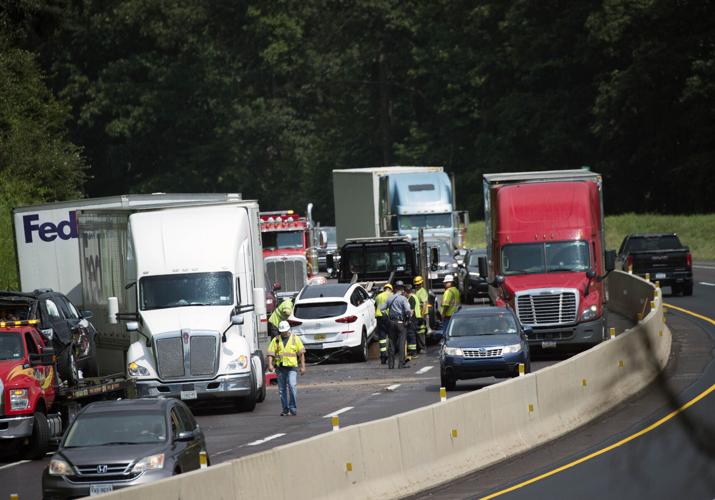
- Gathering Extensive Evidence: Detailed evidence, such as maintenance records, driver logs, internal company communications, and witness testimony, is crucial to building a strong case.
- Expert Testimony: Expert witnesses, like accident reconstruction specialists and safety regulation experts, provide critical insights and support the victim’s claims.
- Legal Expertise: Navigating the complexities of punitive damages claims requires experienced legal representation. An attorney who understands trucking regulations and the legal standards for punitive damages can effectively advocate for the victim’s rights.
Insurance Companies and Truck Accident Claims
Insurance companies handle truck accident claims differently from car accident claims due to the higher stakes involved. Here’s how:
1. Higher Policy Limits: Trucking companies usually carry higher insurance policy limits compared to individual car drivers, meaning more substantial potential payouts.
2. Specialized Adjusters and Investigators: Insurers assign specialized adjusters and investigators who know a lot about trucking regulations and accident reconstruction. These professionals are skilled at identifying ways to reduce the insurer's liability.
3. Quick Response Teams: Insurance companies often deploy rapid response teams to the accident scene. These teams work to gather evidence, interview witnesses, and protect the company’s interests as soon as possible.
4. Intensive Scrutiny of Claims: Insurance companies carefully examine truck accident claims and often question the severity of the injuries and damages claimed by the victims. They may also investigate the victim’s background to find any potential factors that could mitigate their liability.
5. Negotiation Tactics: Given the high stakes, insurance companies often use aggressive negotiation tactics to pressure victims into accepting lower settlements. They may delay proceedings or use legal technicalities to their advantage.
Importance of Legal Representation
Given the complexity and high stakes of truck accident cases, it’s crucial for victims to seek experienced legal representation. An attorney specializing in truck accidents can help navigate the legal process, gather necessary

evidence, and advocate for the victim’s rights. They can also help counter the aggressive tactics often used by insurance companies to minimize payouts.
Conclusion
Truck accident cases are more complex and demanding than car accident cases because of the special rules, multiple responsible parties, and serious injuries involved. Insurance companies also make these cases tougher with their specialized teams and aggressive tactics.
If you or a loved one has been involved in a truck accident, it's important to get help from an experienced truck accident lawyer to protect your rights and ensure you receive the compensation you deserve. An experienced attorney can make all the difference in building a strong case, navigating the complexities of the legal system, and achieving a fair outcome. Call Metier Law Firm at 866-377-3800 or schedule your free consultation today at www.metierlaw.com. Speak with an experienced Denver truck accident lawyer serving Colorado Springs, Fort Collins, Seattle, Portland, and Cheyenne.
In summary, obtaining punitive damages in truck accident cases is challenging but possible under the right circumstances. In Colorado, Oregon, and Wyoming, victims who can show the trucking company acted with malice or a reckless disregard for safety can not only seek compensation for their injuries but also hold trucking companies accountable for their actions. Washington doesn’t allow punitive damages in these cases, but victims there can still recover compensation for their losses. Consulting with an experienced truck accident attorney is essential for victims to explore all available legal avenues and pursue the justice they deserve.
Related Blog Posts
Tell Us About Your Case – Free Case Review with a Truck Accident Lawyer
Tell Us About Your Case – Free Case Review with a Personal Injury Lawyer
(866) 377-3800Our Locations
Do I have a Case?
How Much Should I Be Offered?
Do I Need an Attorney?
If these questions have crossed your mind, let us help. You may need a little direction or may not need an attorney at all, but you deserve to be confident knowing your options. We can provide you with information about our Attorneys of the West® accident investigations and legal services. Your confidential consultation with us is totally free.
Keep up with us!
