.svg)


TL;DR / Key Takeaways
- If a driver hits you and flees, call 911 immediately — a police report is the foundation of your entire claim.
- Under C.R.S. § 10-4-609, Colorado requires insurers to offer uninsured motorist (UM) coverage, and Colorado courts have confirmed it covers hit-and-run crashes.
- Even if the driver is never found, you may still be able to recover compensation through your own UM policy.
- Under C.R.S. § 42-4-1601, a hit-and-run causing serious injury is a Class 4 felony in Colorado — leaving the scene is a serious crime.
- Colorado's statute of limitations for personal injury claims from a vehicle accident is three years under C.R.S. § 13-80-101(1)(n) — wrongful death claims have a shorter two-year deadline under C.R.S. § 13-80-102.
One second you're riding south on I-25 through the Mousetrap, and the next, something hits your left side and you're down. You manage to look up. The car is already gone. No plates visible, no one stopping. Just a gap where a vehicle used to be.
That's the moment a motorcycle hit and run Denver riders face leaves you with almost nothing: no driver to confront, no insurance card to photograph, and a lot of questions about what comes next.
"Hit-and-runs are some of the hardest cases for riders to wrap their heads around," says Patrick DiBenedetto, Partner at Metier Law Firm and an experienced motorcycle rider. "The driver took away the normal path to accountability. But Colorado law has protections built in for exactly this situation, and a lot of injured riders don't know those protections exist."
Here's what you need to know.

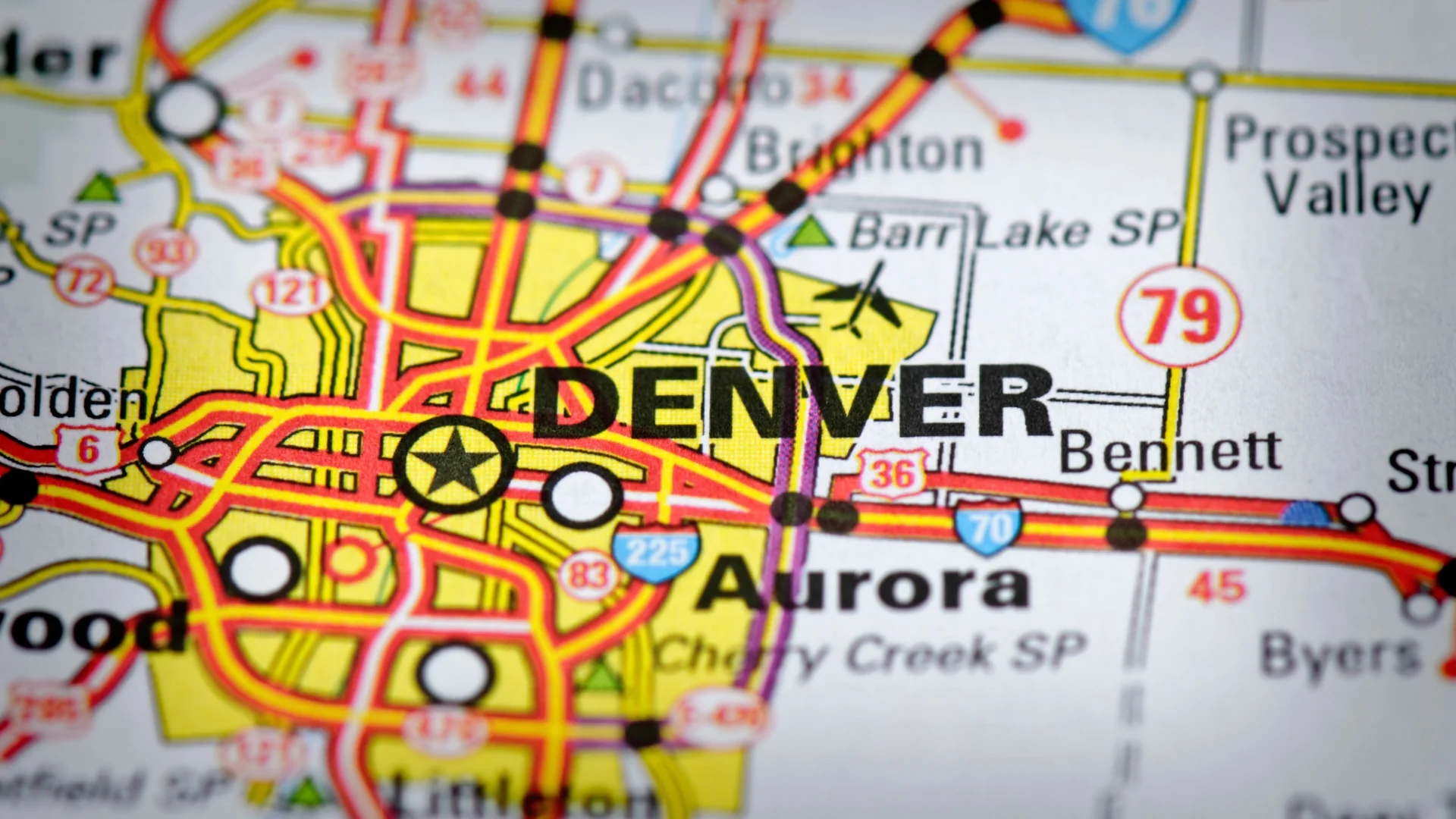
The Denver Roads Where This Happens
Denver has specific corridors that show up again and again in crash data. If you ride here regularly, you already know them:
I-25/I-70 interchange (the Mousetrap)
Notoriously tight at any volume, with aggressive lane changes and limited escape routes for motorcycles
Colfax Avenue
high vehicle density, mixed traffic, and frequent unexpected turns from drivers who aren't watching for riders
Federal Boulevard
heavy commercial traffic and a history of high-injury crashes
Speer Boulevard
fast-moving, lane-shifting traffic that leaves little margin for error on two wheels
East Colfax through Aurora
one of the metro area's most consistently high-crash corridors
These aren't random problem spots. According to CDOT, 165 motorcyclists were killed statewide in 2024, the highest number ever recorded and a 57% increase since 2015. Motorcycle fatalities accounted for nearly 24% of all traffic deaths in Colorado despite motorcycles making up just 3% of vehicles on the road. Denver's numbers mirror that trend.
That's the environment a Denver motorcycle hit and run happens in.
What to Do in the First Minutes
If you can move safely, get out of traffic. If you can't, stay put and activate your hazards if the bike allows it.
Call 911 immediately.
Don't let another driver talk you into skipping a police report because "it's just a fender bender." A police report is the foundation of any claim, and without one, your insurance company has far less to work with.
Document everything you can from where you are.
- Direction the vehicle went and any partial plate number
- Vehicle color, make, and body style
- Skid marks, debris, and road conditions at the scene
- Bystander contact information — witnesses disappear fast
Get medical attention the same day.
Adrenaline masks injury. Spinal trauma, internal bleeding, and traumatic brain injury don't always show up at the scene. If EMS responds, let them assess you. If not, go to an ER or urgent care before you go home.
Don't make statements about fault.
Even "I didn't see them coming" can be used to reduce your recovery later. Stick to the facts when talking to police, and say nothing to other parties about how the crash happened.
Our general guide on what to do after a motorcycle accident covers the scene steps in more detail — worth reading before you ride, not after.
How Colorado Law Handles the Hit-and-Run Driver
Under C.R.S. § 42-4-1601, every driver involved in a Colorado accident resulting in injury or death has a legal duty to stop, remain at the scene, and provide information. Leaving is a crime — and not a minor one.
The penalty depends on the severity of harm caused:
- Class 1 traffic misdemeanor — hit-and-run causing non-serious injuries
- Class 4 felony — hit-and-run causing serious bodily injury
- Class 3 felony — hit-and-run resulting in death
These aren't civil concepts — they're criminal charges that can result in prison time, steep fines, and permanent license revocation.
That matters for your civil case, too. Criminal charges and investigations can uncover evidence and put pressure on the process in ways that benefit an injury claim. If law enforcement identifies the driver — through traffic cameras, witnesses, or a tip — that opens up additional avenues for recovery.
Uninsured Motorist Coverage: Your Most Important Protection
This is where a lot of riders get surprised. You don't have to find the driver to recover compensation.
C.R.S. § 10-4-609 requires Colorado insurers to offer uninsured motorist coverage on every automobile and motorcycle liability policy. Colorado courts have been explicit on this point: in Farmers Insurance Exchange v. McDermott (1974), the Colorado Court of Appeals confirmed that UM coverage applies to hit-and-run accidents — a driver who flees and can't be identified is treated as an uninsured motorist under the statute.
That means if you're hurt in a motorcycle hit and run Denver crash and the driver is never found, your own UM coverage may be the primary path to compensation. It can cover medical bills, lost wages, and other damages you're legally entitled to recover from the at-fault driver.
One important thing to check: UM coverage can be rejected in writing by the named insured. If you've never reviewed your policy carefully, now is the time. Call your insurer and confirm exactly what you have.
If you want to understand how coverage levels affect the total value of a claim, our Colorado-specific breakdown on motorcycle accident settlements walks through how those numbers typically take shape.
The Clock Is Running
For personal injury claims arising from a vehicle accident in Colorado — including a motorcycle hit and run Denver situation — you have three years from the crash date to file a lawsuit. That's under C.R.S. § 13-80-101(1)(n). Miss it, and your claim is barred. No exceptions.
If a rider was killed, the family has a shorter deadline. Wrongful death claims fall under C.R.S. § 13-80-102, which carries a two-year statute of limitations from the date of death. That's a critical difference, and one that families grieving a loss often don't know about until it's too late.
Three years sounds like a long time. It isn't — not when investigation, medical treatment, and documentation all need to happen before a case is ready to file.
If you've been hurt in a motorcycle crash and need answers, call us at 833-4MOTO-LAW (833-466-8652) or schedule a free consultation at www.metierlaw.com.
Evidence That Actually Wins These Cases
A hit-and-run motorcycle accident in Denver involves more recoverable evidence than most riders assume. CDOT operates traffic cameras along I-25, I-70, I-225, and other major corridors. The Denver Police Department has access to that footage, and so can your attorney through the right legal channels.
Beyond CDOT cameras, the Denver metro area is blanketed in private surveillance cameras — businesses, parking garages, doorbell cameras on residential streets. An attorney who moves quickly can preserve that footage before it's overwritten, which typically happens in a matter of days.
Physical evidence from the scene matters, too. Paint transfer on your bike or gear, debris patterns, the angle of impact — all of that tells a story. If you can photograph your bike and gear before anything gets touched or cleaned, do it.
The most dangerous roads for Denver motorcyclists also tend to be the most camera-covered corridors in the city. That's worth knowing.
Frequently Asked Questions
What should I do immediately after a motorcycle hit and run in Denver?
Call 911 and stay at the scene. A police report is essential — without it, your insurance claim has no foundation. Document everything you can: vehicle description, direction of travel, partial plate, road conditions, and witness contact information. Get medical attention the same day even if you feel okay. Then contact a motorcycle accident attorney before making any statements to an insurance company.
Can I still recover compensation if the hit-and-run driver is never found?
Yes. Under C.R.S. § 10-4-609, Colorado requires insurers to offer uninsured motorist coverage, and Colorado courts have confirmed it applies to hit-and-run crashes where the driver can't be identified. If you have UM coverage on your motorcycle policy, it may cover your medical bills, lost wages, and other damages even if the at-fault driver is never located.
How long do I have to file a claim after a motorcycle hit and run in Denver?
For personal injury claims from a vehicle accident, Colorado gives you three years from the date of the crash under C.R.S. § 13-80-101(1)(n). If a rider was killed, the family has two years to file a wrongful death claim under C.R.S. § 13-80-102. Don't wait — evidence disappears quickly, and the earlier an attorney gets involved, the better positioned your case will be.
Is a hit-and-run a crime in Colorado?
Yes. Under C.R.S. § 42-4-1601, drivers involved in an accident are legally required to stop, remain at the scene, and provide their information. Leaving is a criminal offense. The severity depends on the harm caused: non-serious injuries are a Class 1 misdemeanor, serious bodily injury is a Class 4 felony, and a death makes it a Class 3 felony. Criminal charges can run parallel to your civil injury claim.
Does Colorado require uninsured motorist coverage on motorcycle policies?
Colorado law requires insurers to offer UM coverage on motorcycle policies — but riders can reject it in writing, and some do to lower their premiums. If you've never confirmed what your policy includes, call your insurer and ask specifically about UM limits. Discovering you waived coverage after a motorcycle hit and run Denver crash is one of the worst outcomes we see.
We Know What It's Like Out There
Riding in Denver means navigating one of the more demanding urban environments in the West. We've seen how quickly a good ride turns into a nightmare when another driver makes a reckless choice and drives off. And we know how lost injured riders feel when the person responsible is nowhere to be found.
At Metier Motorcycle Lawyers, we've handled cases where the driver was identified weeks later and cases where UM coverage was the only path to recovery. Both roads exist. What matters most is that you move quickly, preserve your evidence, and talk to someone who understands how these claims work before you make any statements to an insurance company.
You don't need to figure this out on your own.
Call Metier Motorcycle Lawyers at 833-4MOTO-LAW (833-466-8652) or schedule your free consultation today at www.metierlaw.com.
Disclaimer: Past results discussed should not be considered a guarantee of your results as the factors of every case are individually unique. This content is for informational purposes only and does not constitute legal advice. Consult a qualified attorney from Metier Law Firm regarding your individual situation for legal advice.
Tell Us About Your Case – Free Case Review with a Personal Injury Lawyer
(866) 377-3800Our Locations
.webp)
Do I have a Case?
How Much Should I Be Offered?
Do I Need an Attorney?
If these questions have crossed your mind, let us help. You may need a little direction or may not need an attorney at all, but you deserve to be confident knowing your options. We can provide you with information about our Attorneys of the West® accident investigations and legal services. Your confidential consultation with us is totally free.
Keep up with us!
