.svg)


TL;DR / Key Takeaways
- A truck underride accident occurs when a passenger vehicle slides beneath a semi-trailer, and the results are almost always catastrophic — airbags and crumple zones offer almost no protection
- Federal law under 49 CFR 393.86 requires rear impact guards on most trailers, but testing standards were developed at low speeds and lag behind real-world highway conditions
- Guard defects, deferred maintenance, and weak steel give rise to liability against the trucking company and, in design defect cases, the trailer manufacturer
- You may have claims against multiple defendants even if the guard technically passed federal minimums
- Colorado and Wyoming wrongful death claims carry firm filing deadlines: 3 years in Colorado, 4 years in Wyoming
Every year, hundreds of people die in truck underride accidents on American highways. Not from a direct impact with the truck. From sliding beneath it. The roof of the passenger car is sheared away. There is no survivable space. These are among the most lethal crash types in commercial trucking, and most of them are preventable.

"I hold a Class A CDL, and I've seen these trailers up close for two decades," says Mike Chaloupka, Managing Partner at Metier Truck Crash Lawyers. "A properly maintained rear guard stops a car from going under. When that guard fails because it was built too cheaply or because the carrier skipped inspections, a family gets destroyed. That is not an accident. That is negligence."
If you lost someone in a truck underride accident, or you survived one and don't understand why the trailer gave way, here is what you need to know.
What Is a Truck Underride Accident?
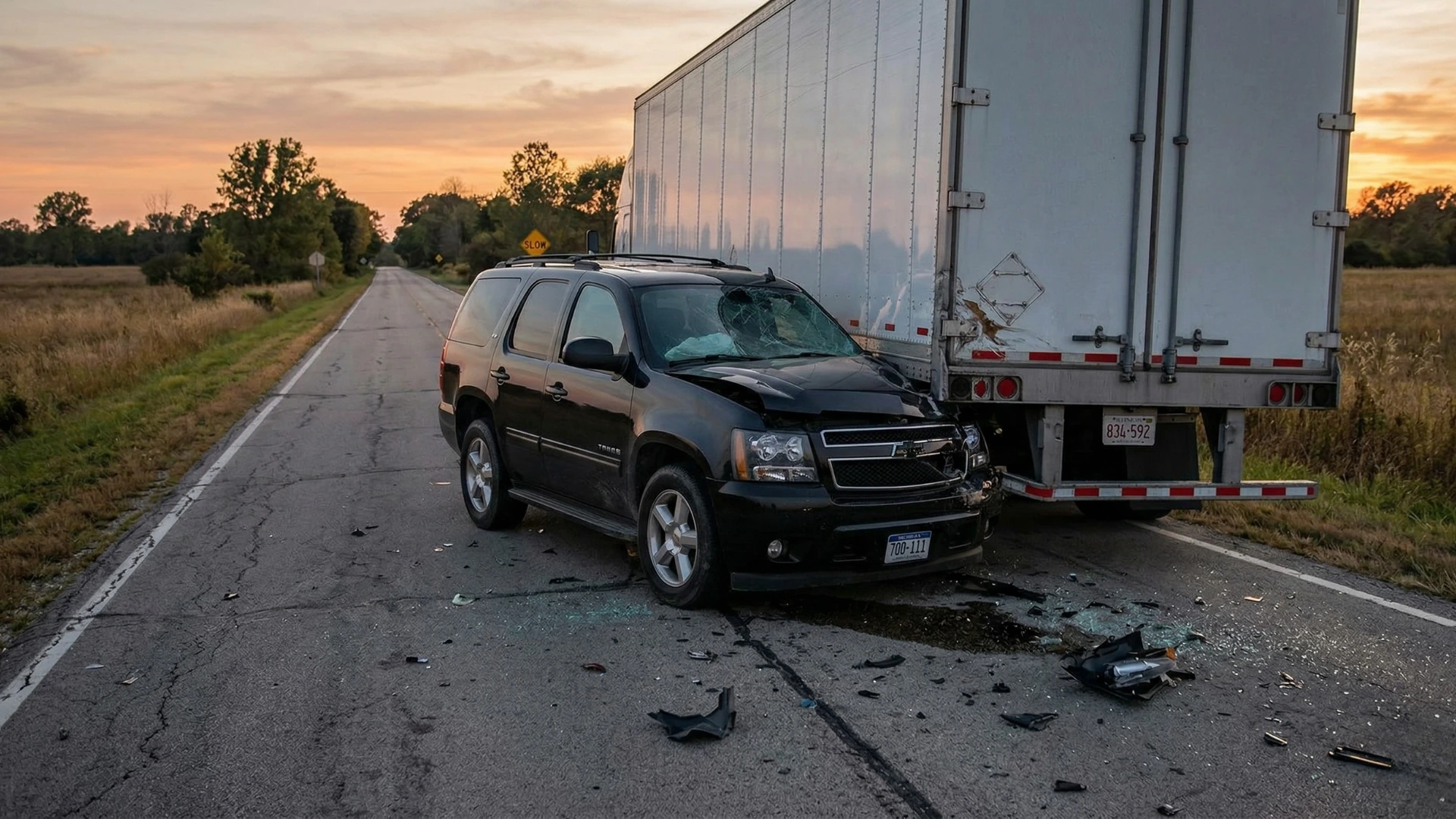
A truck underride accident occurs when a passenger vehicle strikes a semi-trailer and slides partially or fully beneath it. Two types account for most fatalities:
Rear Underride
The smaller vehicle strikes the back of the trailer and rides under it. Rear underride crashes have been federally regulated since the 1990s under 49 CFR 393.86 and remain the most common underride crash type.
Side Underride
The vehicle slides beneath the side of the trailer, typically during a turning maneuver or lane change. Side underride collision protections remain weaker under federal law than rear guard requirements.
In both cases, the trailer floor cuts into the windshield zone. Airbags and crumple zones are designed for frontal impact forces, not for a vehicle sliding under a wall of steel. Traumatic brain injuries, decapitations, and chest trauma are common outcomes. Death rates in truck underride accidents are dramatically higher than in other truck-versus-car collisions.
What Federal Law Requires: Rear Impact Guards
The federal regulation governing rear impact protection is 49 CFR Part 393.86, which sets minimum standards for rear impact guards on most trailers. Under current NHTSA truck underride regulations, a compliant guard must sit no higher than 22 inches from the ground, extend near the full width of the trailer, and withstand 22,480 pounds of force at specified test points.
The problem is that these standards were developed in the 1990s and tested at low speeds. A rear-end collision on Colorado's I-70, where freight traffic backs up through the Eisenhower Tunnel and sudden stops happen at highway speed, can involve impact forces far beyond what the standard guard was designed to absorb.
NHTSA has studied this gap for years, acknowledging that current standards leave passenger vehicles vulnerable in real-world high-speed crashes. Reform has been slow. Families pay the price.
How Rear Underride Guard Defects Create Liability
There is a meaningful legal difference between a guard that passes the federal minimum test and a guard that actually stops a car from going under a trailer. Rear underride guard defects in litigation typically fall into these categories:
Design Defects
Some trailers are built with guards that technically meet minimum specifications but are known to perform poorly at real crash speeds. A manufacturer who chose lighter steel or a weaker mounting configuration, knowing the guard would collapse under realistic highway impact forces, faces strict product liability exposure.
Deferred Maintenance
Guards take damage in loading docks, during backing maneuvers, and from road debris. Carriers are required by federal regulation to inspect safety components, including rear impact guards, on a regular basis. Carriers that skip inspection cycles or ignore documented damage are creating a known hazard.
Corrosion and Metal Fatigue
On aging trailers, rust and fatigue can compromise a guard's structural integrity significantly below its original design strength. A carrier running old equipment without updated inspections may be deploying guards that are functionally useless.
Non-compliant older trailers
Not every trailer on the road meets current standards. Carriers running older equipment under grandfather provisions don't always upgrade guards to reflect improved requirements, and that gap shows up in crash investigations.
As we've covered in our analysis of unqualified and underequipped trucks on Colorado and Wyoming roads, the failure to maintain compliant equipment is part of a broader pattern of carrier cost-cutting.
If you or a loved one was injured in a crash with a commercial truck, call us at 866-377-3800 or schedule a free consultation at www.metierlaw.com.
Who Can Be Held Liable in a Truck Underride Accident?
Truck underride accident cases frequently involve more than one defendant. Potential parties include:
The Trucking Company
As the carrier, the company is responsible for trailer maintenance, pre-trip inspection compliance, and keeping equipment in roadworthy condition. A carrier that ran a trailer with a corroded, damaged, or non-compliant guard carries direct liability.
The Trailer Manufacturer
If the guard was defectively designed, regardless of whether it met federal minimums, the manufacturer may face strict product liability claims. Meeting the regulatory floor does not bar a design defect claim if the product performed unreasonably for its intended purpose.
A Third-Party Maintenance Provider
If the carrier outsourced trailer inspections or guard repairs and those services were performed negligently, the maintenance contractor may share liability.
For context on how these crash investigations unfold on Wyoming and Colorado corridors, see our reporting on the I-80 crash near Evanston that killed two and injured dozens.
Frequently Asked Questions
How long do I have to file a wrongful death or injury claim after a truck underride accident?
In Colorado, the personal injury statute of limitations is 3 years from the crash date. Wyoming gives you 4 years. Wrongful death timelines may differ in both states. Evidence, including the trailer itself and its maintenance records, can be altered or destroyed quickly after a crash. Legal intervention early is critical.
Can I sue the trailer manufacturer even if the guard met federal standards?
Yes. Federal minimum standards set a floor, not a ceiling. If a guard was designed in a way that a reasonable manufacturer would have known would fail at realistic highway speeds, you can pursue a design defect claim regardless of regulatory compliance.
What evidence is most important in a truck underride accident case?
The trailer itself, maintenance and inspection logs, pre-trip inspection records, black box data, driver logs, and the post-crash guard examination. An attorney who understands federal carrier regulations knows what to demand immediately before records are lost or altered.
Why Experience With These Cases Matters
A truck underride accident case involves product liability, federal carrier regulations, and commercial vehicle maintenance law all at once. Most personal injury firms have never handled one.
Metier Truck Crash Lawyers has spent two decades building truck accident cases, including underride cases where the guard failed catastrophically despite the carrier claiming compliance. We know what the records should show and how to hold both the carrier and the manufacturer accountable.
Call Metier Law Firm at 866-377-3800 or schedule your free consultation today at www.metierlaw.com. Speak with an experienced Denver truck accident lawyer serving Colorado Springs, Fort Collins, Seattle, Portland, and Cheyenne.
Disclaimer: Past results discussed should not be considered a guarantee of your results as the factors of every case are individually unique. This content is for informational purposes only and does not constitute legal advice. Consult a qualified attorney from Metier Law Firm regarding your individual situation for legal advice.
Tell Us About Your Case – Free Case Review with a Truck Accident Lawyer
Tell Us About Your Case – Free Case Review with a Personal Injury Lawyer
(866) 377-3800Our Locations
.webp)
Do I have a Case?
How Much Should I Be Offered?
Do I Need an Attorney?
If these questions have crossed your mind, let us help. You may need a little direction or may not need an attorney at all, but you deserve to be confident knowing your options. We can provide you with information about our Attorneys of the West® accident investigations and legal services. Your confidential consultation with us is totally free.
Keep up with us!
