.svg)


TL;DR - Key Takeaways
- Emergency response in remote areas can take 30 to 60 minutes or longer, and delayed care turns survivable injuries into fatal ones
- A single air ambulance transport can cost $50,000 or more, and most standard health insurance won't fully cover it
- Always tell someone your route and expected return time before any backcountry motorcycle riding
- Riding with a partner in isolated terrain significantly improves your odds of getting help quickly after a crash
- A satellite communicator or personal locator beacon is essential gear for off-grid riding where cell service doesn't exist
There's something about an empty two-lane road that just pulls at you. The horizon opens up, traffic disappears, and for a few hours it's just you, the bike, and open space. That pull is real, and we get it. Whether you're threading mountain passes in Colorado, cutting across Wyoming's sagebrush flats, riding the volcanic plateaus of Oregon, climbing into Washington's Cascades, or covering ground on Nebraska's prairie highways, backcountry motorcycle riding offers something that crowded roads never can.
But that freedom comes with a risk profile most riders don't take seriously until they're lying on the side of a remote road with no signal and no idea how long help is going to take.
"I've ridden in some of the most isolated parts of the West, and I've represented riders who crashed in those same places," says Patrick DiBenedetto, Partner at Metier Law Firm and an experienced motorcyclist. "The crash itself is one problem. What happens in the hour before help arrives is often the bigger one. Remote riding safety comes down to being honest with yourself about what you're riding into before you ever leave."
We've seen firsthand what happens when that preparation isn't there. This isn't about scaring you off the backcountry. It's about making sure you come home from it.
Why Remote Crashes Are Different
When you go down near a city, the response chain moves fast. Someone calls 911, paramedics are rolling within minutes, and you're at a trauma center within the hour. Remote riding doesn't work that way.
In rural areas across our practice states, the nearest ambulance might be staffed by volunteers who have to get themselves to the station before the rig even starts moving toward you. Emergency response in backcountry areas routinely runs 30 to 60 minutes, and that's when conditions cooperate. Weather, terrain, and distance can push it further.
According to the National Highway Traffic Safety Administration, rural roadways account for a disproportionately high share of motorcycle fatalities. Delayed care turns survivable injuries into fatal ones. Remote riding safety starts with understanding that when you head into isolated country, the gap between a crash and medical help is measured in real time, not best-case estimates.
Air Ambulance Insurance: Stop Skipping This
Most riders don't think about air ambulance costs until the bill arrives. A helicopter transport from a remote area can easily run $50,000 or more, and standard health insurance rarely covers the full amount. That life flight bill lands on you or your family.
Programs like AirMedCare Network and Life Flight Network offer annual household memberships for around $85 to $100 that cover unlimited air ambulance transport. For anyone doing backcountry motorcycle riding with any regularity, this isn't an optional extra. It's a basic layer of remote riding safety preparation, the same way a helmet is.
The Motorcycle Safety Foundation consistently emphasizes that thorough pre-ride preparation is foundational to safe riding. Life flight coverage belongs in that conversation.
Tell Someone Before You Leave
Before any remote ride, tell someone your plan. Specific roads, planned stops, when you expect to be back. If you don't check in, they call for help. Search and rescue knows exactly where to start looking instead of guessing.
We've worked cases where injured riders were out in the backcountry for hours because nobody knew they were missing. That's a preventable situation.
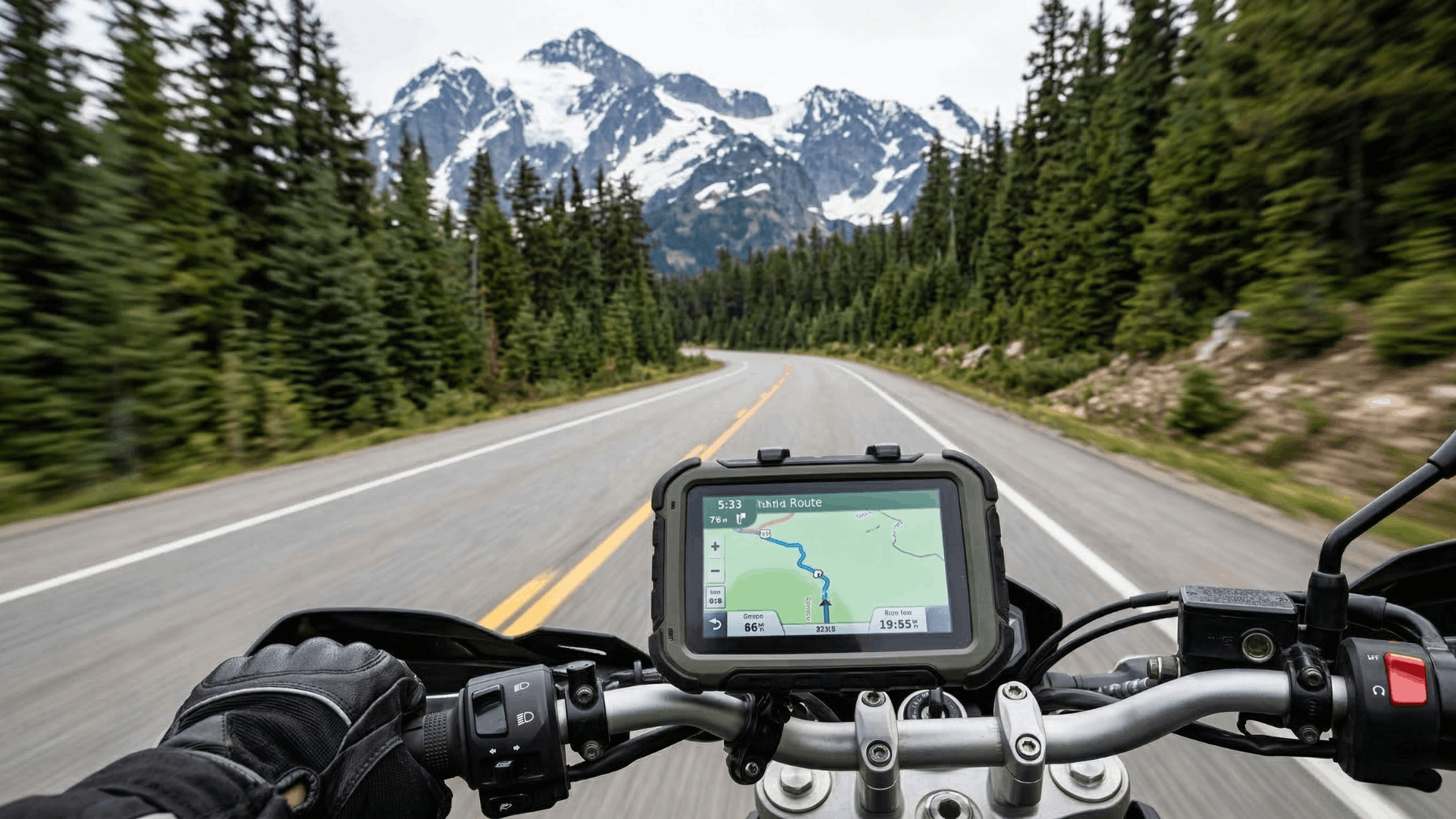
GPS communicators like Garmin inReach and SPOT let an emergency contact track your location in real time without any cell service. Remote riding safety has a lot of components, and this one costs almost nothing to get right before you leave the driveway.
Don't Ride Alone in the Backcountry
Solo riding has its appeal. We understand that. But in true backcountry terrain, going alone is a risk that doesn't calculate the way it feels like it should.
If you crash by yourself on a remote road, you're depending on a passing vehicle to find you. Depending on the route, that could be hours. If you're unconscious, you're waiting on luck.
One other rider changes the equation completely. They stay with you, signal for help, ride to find cell coverage if needed. In a rural motorcycle accident on a mountain pass in Colorado or a remote stretch in Wyoming, that one person is the difference between a bad day and a catastrophic outcome. Remote riding safety is genuinely stronger with a partner. This is one of those cases where the math is simple.
If you've been hurt in a motorcycle crash and need answers, call us at 833-4MOTO-LAW (833-466-8652) or schedule a free consultation at www.metierlaw.com.
What to Carry on Remote Rides
Remote riding safety is also about what's on the bike. At minimum, carry a trauma-capable first aid kit with a tourniquet, pressure bandages, and gauze, not just adhesive bandages. The American Red Cross offers road-specific emergency kits built for exactly this kind of situation.
A satellite communicator or personal locator beacon is non-negotiable for off-grid riding. Devices like Garmin inReach and SPOT send an SOS signal from anywhere with no cell tower required.
Carry more water than you think you'll need. At altitude or in summer heat, dehydration compounds fast when you're injured and waiting for help. Keep a backup power bank with your phone, and write your emergency contact information on paper in your jacket. If you're unconscious when first responders arrive, they need that information right away.
What Happens Legally After a Remote Crash
Rural motorcycle accident scenes create real legal complications. Evidence disappears fast. Witnesses are rare. Law enforcement response is slow, which often means incomplete crash documentation.
If another driver was involved and left the scene, tracking them down without traffic cameras or bystanders is hard. If road conditions contributed to the crash, like a pothole, missing signage, or deteriorated pavement, documenting that before conditions change is critical. Government entities can be held liable for dangerous road maintenance, but those claims carry strict notice requirements and short deadlines that vary by state.
Metier Law Firm handles rural motorcycle accident cases across Colorado, Washington, Oregon, Wyoming, and Nebraska. We know how to build a strong case with limited evidence and no witnesses. Remote riding safety matters before the crash. Getting legal help quickly matters just as much after.
Frequently Asked Questions
What should I do right after a motorcycle crash in a remote area?
Assess your injuries first. If you can move safely, get yourself and your bike off the road. Try 911. No signal? Activate your satellite communicator or personal locator beacon. Don't move if you suspect a spinal injury. If you're riding with others, have one person stay with you while another rides toward cell coverage to call for help.
How long does emergency response typically take in backcountry areas?
In many rural areas, 30 to 60 minutes is a realistic baseline. In true remote terrain, it can take longer. Air ambulance response can be faster, but weather, terrain, and helicopter availability all affect it. That window is exactly why remote riding safety preparation before the ride matters so much.
Is air ambulance insurance really worth it for motorcycle riders?
Yes, especially if you ride in remote or rural areas with any regularity. A single transport can exceed $50,000, and standard health insurance often leaves a significant gap. Annual memberships through programs like AirMedCare Network run around $85 to $100 and cover your whole household. It's one of the most cost-effective protections available for backcountry motorcycle riding.
Can I pursue a legal claim if road conditions caused my crash in a remote area?
Potentially, yes. Government entities responsible for road maintenance can be held liable for dangerous conditions like potholes, deteriorated pavement, or missing signage. These claims have specific deadlines that vary by state, so acting quickly is essential. Document the scene with photos right away and contact an attorney before conditions change.
We Know What It's Like Out There
Metier Motorcycle Lawyers isn't just a firm that handles motorcycle cases. We ride. We know what it's like to be miles from anywhere with nothing but the sound of your engine and open road ahead.
Rural motorcycle accident cases across Colorado, Wyoming, Washington, Oregon, and Nebraska are a real and significant part of what we do. We know how to build a case when evidence is limited, witnesses don't exist, and the crash happened on a road most people have never heard of. Injured riders deserve solid legal representation whether they went down in a city or on a backcountry pass.
If you've been hurt riding in a remote area, don't wait. Evidence disappears fast and legal deadlines are real. Call Metier Law Firm at 866-377-3800 or schedule your free consultation today at www.metierlaw.com. or speak with an experienced motorcycle accident lawyer serving Fort Collins, Denver, Colorado Springs, Omaha, Cheyenne, Gillette, Casper, Portland, and Seattle.
Call Metier Motorcycle Lawyers at 833-4MOTO-LAW (833-466-8652) or schedule your free consultation today at www.metierlaw.com.
Disclaimer: Past results discussed should not be considered a guarantee of your results as the factors of every case are individually unique. This content is for informational purposes only and does not constitute legal advice. Consult a qualified attorney from Metier Law Firm regarding your individual situation for legal advice.
If You've Been Injured In A Motorcycle Crash, Call Today - (833) 4MOTO-LAW
Tell Us About Your Case – Free Case Review with a Personal Injury Lawyer
(866) 377-3800Our Locations
.webp)
Do I have a Case?
How Much Should I Be Offered?
Do I Need an Attorney?
If these questions have crossed your mind, let us help. You may need a little direction or may not need an attorney at all, but you deserve to be confident knowing your options. We can provide you with information about our Attorneys of the West® accident investigations and legal services. Your confidential consultation with us is totally free.
Keep up with us!
