.svg)


TL;DR
- Trucking companies are required by federal law to maintain detailed Driver Qualification Files (DQFs) that verify background checks, medical certifications, and driving records before hiring
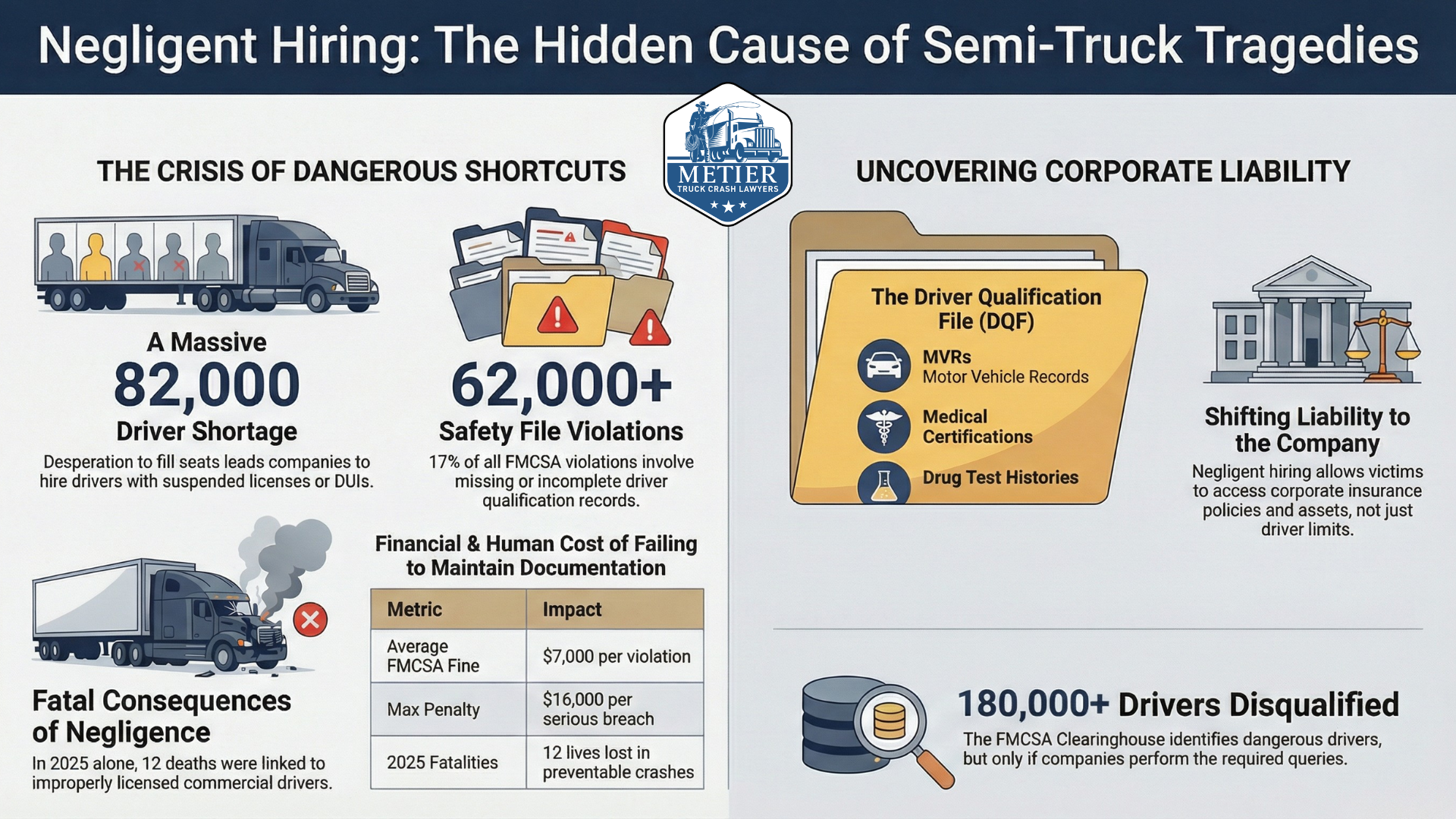
- The current driver shortage of 60,000-82,000 drivers is pushing desperate companies to skip critical safety checks and hire unqualified drivers with suspended licenses, DUI histories, or disqualifying medical conditions
- Negligent hiring expands legal liability from just the truck driver to the trucking company itself, and juries are outraged when simple background checks could have prevented tragedies
- FMCSA issued over 62,000 violations related to incomplete driver files in the past five years, with fines averaging $7,000 and reaching up to $16,000 per violation
- In 2025, five fatal crashes involving improperly licensed commercial drivers killed 12 people, prompting emergency federal enforcement actions
When a semi truck accident devastates your family, you want to know how it happened. The answer often comes down to one question: should that driver have been on the road in the first place?
"We've seen it time and time again," says Phil Chupik, partner at Metier Law Firm. "Companies desperate for drivers will put someone behind the wheel of an 80,000-pound truck without doing the basic checks required by federal law. When we dig into their Driver Qualification Files, we find drivers with suspended licenses, multiple DUIs, or medical conditions that should have disqualified them years ago. These aren't accidents. They're predictable outcomes of negligent hiring."
What Federal Law Requires Before Hiring Truck Drivers
The Federal Motor Carrier Safety Administration has strict rules about who can drive a commercial truck. Under 49 CFR Part 391, every trucking company must maintain a Driver Qualification File for each driver. This isn't optional paperwork. It's the legal backbone that proves a driver is qualified, safe, and medically fit to operate a commercial vehicle.
According to 49 CFR §391.51, these files must include a completed employment application, motor vehicle records from every state where the driver held a license in the past three years, verification of previous employment safety history, road test certificates, medical examiner certifications, and Drug and Alcohol Clearinghouse queries. Companies must verify that drivers don't have disqualifying conditions like uncontrolled sleep apnea, certain vision impairments, or insulin-dependent diabetes.
The regulation exists because commercial trucks require specialized skills and physical capability. When companies skip these steps, people die.
The Driver Shortage Is Creating Dangerous Shortcuts
Right now, the trucking industry faces an estimated shortage of 60,000 to 82,000 drivers. Companies are scrambling to fill trucks. That desperation leads to dangerous hiring decisions across Colorado, Washington, Oregon, Wyoming, and Nebraska.
We've investigated cases where trucking companies hired drivers with suspended licenses still on record. We've seen drivers with multiple DUI convictions get hired without anyone checking their actual driving record. We've uncovered drivers with documented sleep apnea who were never required to use their CPAP machines or get proper medical clearance.
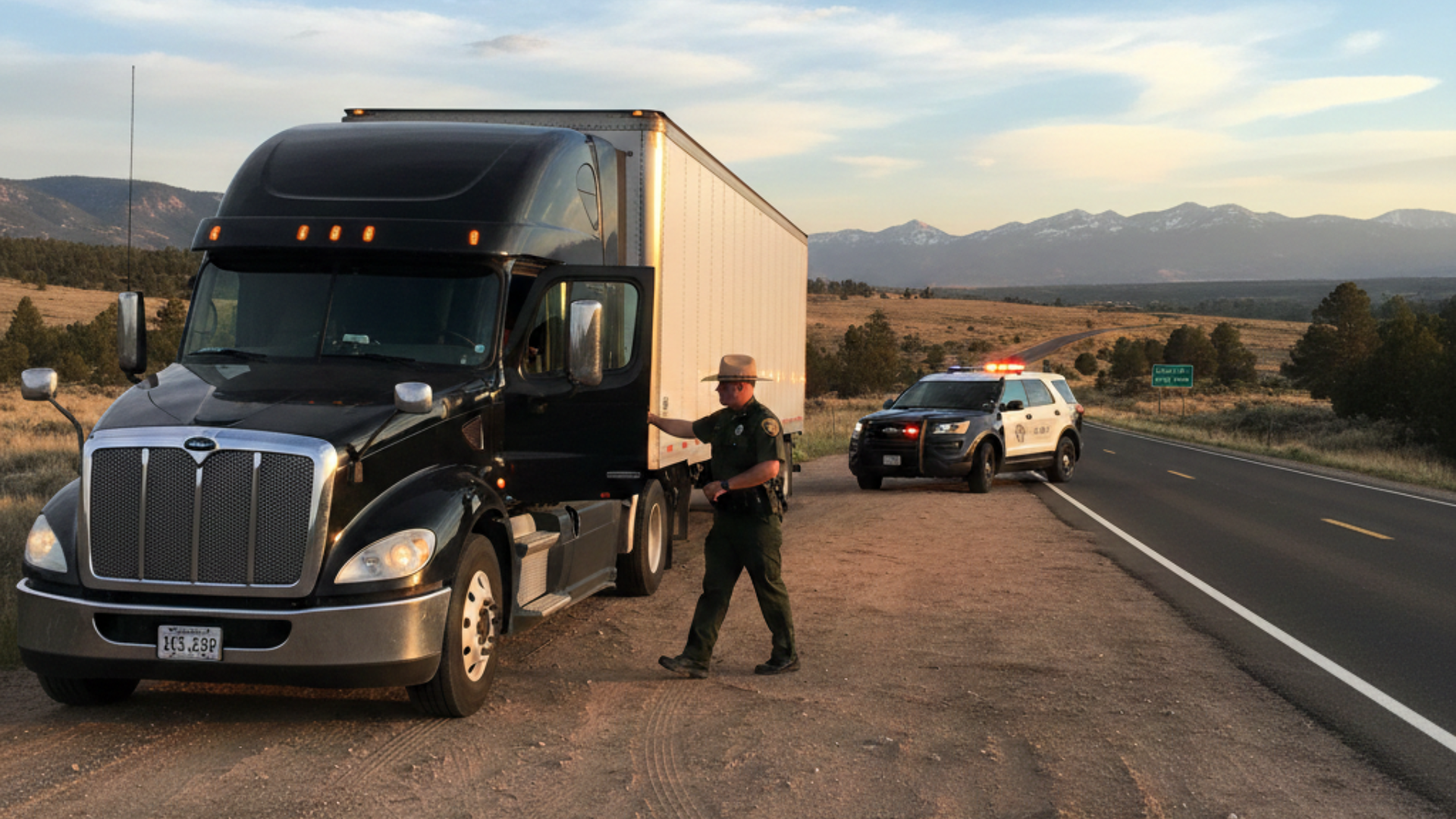
Some companies hire drivers who failed drug tests at previous carriers. Others bring on drivers with falsified employment applications that claim clean records when the truth tells a different story. We've seen carriers skip the required background checks on training and experience, putting brand-new drivers in situations that demand years of skill.
These aren't isolated incidents. Over the past five years, FMCSA investigators issued more than 62,000 violations related to incomplete or missing driver qualification files. That represents 17% of all violations recorded. The average fine is over $7,000 per violation, with penalties reaching up to $16,000 for serious breaches.
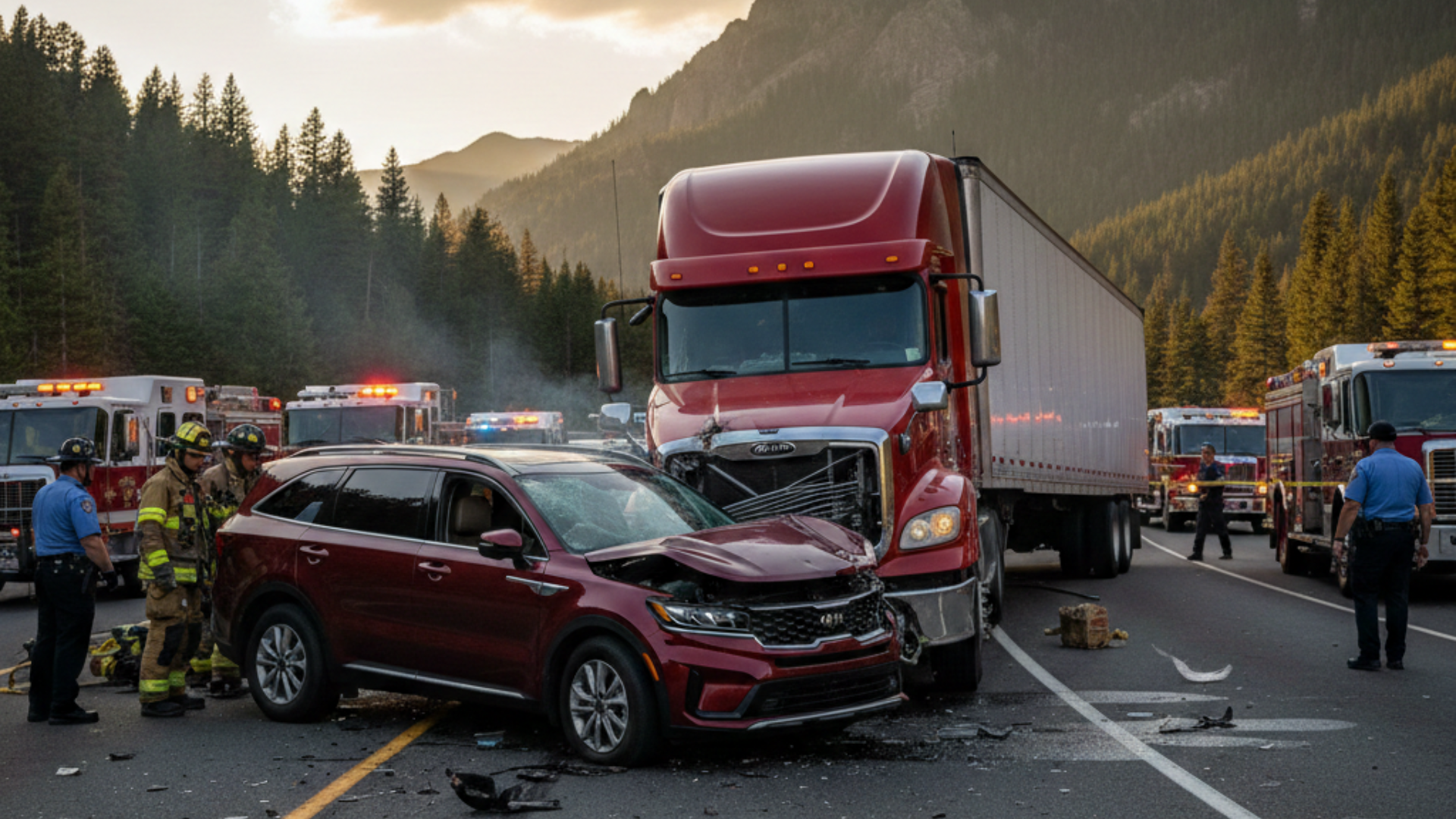
In early 2025, five fatal crashes involving improperly licensed commercial drivers killed 12 people and injured 15 others. Every single one of those crashes was preventable. The FMCSA responded with emergency regulations because the pattern was so clear.
How Negligent Hiring Gets Uncovered in a Truck Crash Investigation
When we represent someone injured in a semi truck accident, one of our first steps is subpoenaing the trucking company's Driver Qualification Files. We're looking for what they should have found but didn't.
We request complete employment applications and verify every employer listed for the past three years. We pull Motor Vehicle Records directly from state licensing authorities in all states where the driver held a CDL. We check the FMCSA Drug and Alcohol Clearinghouse for any previous violations. We examine medical certificates to verify they came from examiners listed on the National Registry of Certified Medical Examiners.
We also look at the company's hiring timeline. Federal regulations under 49 CFR §391.23 require companies to investigate a driver's safety performance history with all previous employers for the past three years before letting them operate a commercial vehicle. When companies skip this investigation or fail to document their efforts, we find it.
Often, we discover that a simple background check would have revealed a driver's history of crashes, moving violations, or substance abuse. Sometimes we find that the driver's medical condition was documented but ignored. Other times, we uncover that the company hired someone whose license was suspended in another state.
If you or a loved one was injured in a crash with a commercial truck, call us at 866-377-3800 or schedule a free consultation at www.metierlaw.com.
Why Negligent Hiring Expands Liability Beyond the Driver
When a trucking company fails to properly vet a driver, liability shifts from just the individual driver to the company itself. This is critical for victims of an 18 wheeler accident because truck drivers often don't have enough personal assets or insurance to fully compensate for catastrophic injuries.
But trucking companies do. They have commercial insurance policies, corporate assets, and deep pockets. When we prove negligent hiring, we can hold the company accountable for putting an unqualified driver on the road.
Juries understand this immediately. When we show them that a trucking company hired someone with three DUIs or a suspended license, they see it for what it is: reckless disregard for public safety. When we demonstrate that a simple Motor Vehicle Record check would have revealed the driver's history, jurors get angry. They understand that the company chose profit over safety.
This anger translates into verdicts that reflect the true harm caused by the trucking company's negligence. Companies that cut corners on driver qualification face not just compensatory damages for medical bills and lost wages, but also punitive damages designed to punish the conduct and deter future negligence.
Specific Examples of Negligent Hiring We've Seen
Throughout our practice representing victims in Colorado, Washington, Oregon, Wyoming, and Nebraska, we've encountered several recurring patterns of negligent hiring in commercial truck accidents.
We've handled cases where drivers had documented inadequate training. The company skipped or falsified road test requirements, putting someone behind the wheel of a big rig without verifying they could safely operate it. We've seen drivers hired despite failing drug tests at previous employers. The FMCSA Clearinghouse showed disqualifying violations, but the new company never checked or ignored what they found.
Some cases involve drivers with undisclosed or improperly managed medical conditions. Sleep apnea is common. Federal law requires drivers with severe sleep apnea to use CPAP machines and provide compliance data. Companies that don't verify this compliance put exhausted drivers on the road.
We've uncovered falsified employment applications where drivers lied about their crash history or previous employers, and companies never verified the information. We've seen carriers hire drivers whose CDL background check revealed multiple preventable crashes, then put them straight into difficult routes without additional training or supervision.
The Role of the FMCSA Drug and Alcohol Clearinghouse
Since 2020, the FMCSA Drug and Alcohol Clearinghouse has been a game changer in our truck crash investigation work. More than 180,000 drivers have been disqualified from operating commercial vehicles due to drug and alcohol violations documented in this database.
Before hiring a driver, companies must conduct a full query of the Clearinghouse. They must also run annual queries for existing drivers. When we investigate a negligent hiring lawsuit, we pull these Clearinghouse records. If a driver had a disqualifying violation and the company hired them anyway, or if the company never checked at all, we have clear evidence of negligence.
This database makes it harder for dangerous drivers to move from company to company without their history following them. But only if companies actually use it.
FAQ: Negligent Hiring in Truck Accident Cases
Can I sue the trucking company if the driver caused my semi truck accident?
Yes. If the trucking company failed to properly screen, train, or supervise the driver, you can hold them liable for negligent hiring, retention, or supervision. This is often more valuable than suing just the driver because companies have larger insurance policies and more assets.
What is a Driver Qualification File and why does it matter?
A Driver Qualification File is a collection of documents required by 49 CFR Part 391 that proves a commercial driver is qualified, safe, and medically fit. It includes employment applications, driving records, medical certificates, drug test results, and employment history. When these files are incomplete or falsified, it's evidence of motor carrier negligence.
How long does a trucking company have to check a new driver's background?
Trucking companies must complete background checks before allowing a driver to operate a commercial vehicle. They have 30 days to complete certain inquiries with previous employers, but drivers can't be put on the road until critical checks like CDL verification and Clearinghouse queries are done.
What medical conditions disqualify someone from being a truck driver?
Federal regulations list several disqualifying conditions including insulin-dependent diabetes, certain vision impairments, hearing loss, uncontrolled epilepsy, and severe sleep apnea without compliance. Drivers with these conditions need medical variances from FMCSA or they cannot legally operate commercial vehicles in interstate commerce.
How do you prove negligent hiring in an 18 wheeler accident case?
We subpoena the trucking company's complete Driver Qualification Files, pull independent Motor Vehicle Records, check the FMCSA Clearinghouse, and investigate the driver's employment history. We look for gaps in required documentation, evidence that the company knew or should have known about disqualifying factors, and failure to follow federal regulations on driver vetting.
Why Experience With CDL Requirements Matters in Your Case
At Metier Law Firm, we understand the trucking industry from the inside. Our Managing Partner Mike Chaloupka holds a Commercial Driver's License and has firsthand knowledge of what it takes to safely operate a commercial vehicle. This expertise helps us spot regulatory violations that other attorneys might miss.
When we review Driver Qualification Files, we know exactly what should be there and what corners companies cut. We understand FMCSA driver qualification requirements because we've studied the regulations and handled dozens of cases involving negligent hiring. We know how to find evidence that a simple CDL background check or driver safety history review would have prevented your crash.
Throughout Colorado, Washington, Oregon, Wyoming, and Nebraska, trucking companies are making hiring decisions every day. Some follow the law. Others don't. When their shortcuts cause a commercial truck accident that injures you or someone you love, we make sure they're held accountable.
Call Metier Law Firm at 866-377-3800 or schedule your free consultation today at www.metierlaw.com. Speak with an experienced Denver truck accident lawyer serving Colorado Springs, Fort Collins, Seattle, Portland, and Cheyenne.
Disclaimer: Past results discussed should not be considered a guarantee of your results as the factors of every case are individually unique. This content is for informational purposes only and does not constitute legal advice. Consult a qualified attorney from Metier Law Firm regarding your individual situation for legal advice.
Tell Us About Your Case – Free Case Review with a Truck Accident Lawyer
Tell Us About Your Case – Free Case Review with a Personal Injury Lawyer
(866) 377-3800Our Locations
.webp)
Do I have a Case?
How Much Should I Be Offered?
Do I Need an Attorney?
If these questions have crossed your mind, let us help. You may need a little direction or may not need an attorney at all, but you deserve to be confident knowing your options. We can provide you with information about our Attorneys of the West® accident investigations and legal services. Your confidential consultation with us is totally free.
Keep up with us!
